
Disk Brake Guide: Types, Benefits & How Disc Brakes Work
Stopping power is the most important aspect of vehicle safety. The disk brake is the best in class, and it is the optimal brake for all bikes, mountain bikes, scooters, and high-performance cars. In the last few decades, it has gradually replaced the old braking systems in virtually every vehicle platform, changing our expectations regarding control, safety and performance.
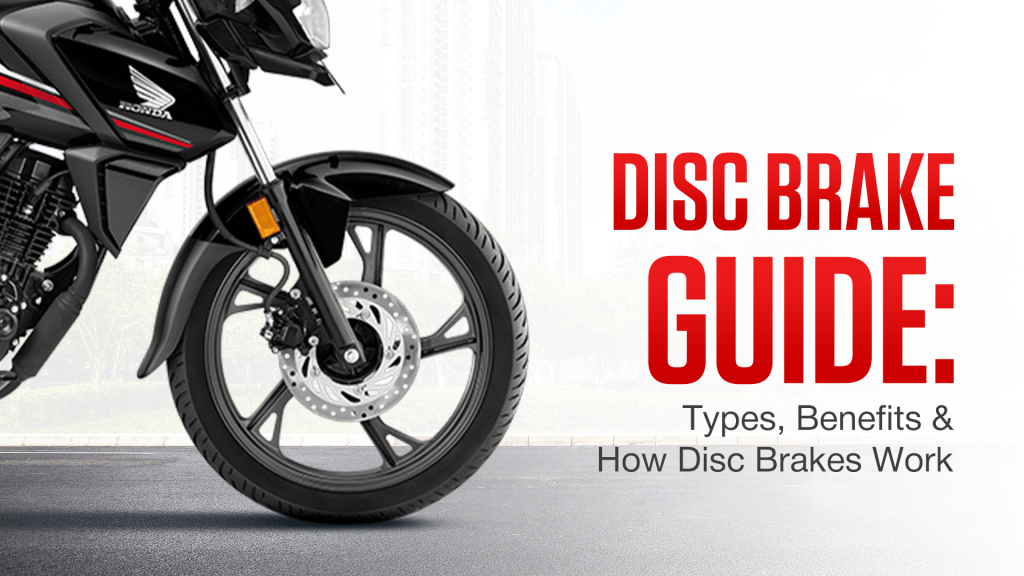
So, what is the advantage of a disc brake over a drum or rim brake? We’ll get into the working of the disc braking system, the types of disc brakes, and the maintenance of disc brakes, before getting into specific examples of how disc brakes work on the Honda Dio and the MTB setups of top-quality hydraulic discs.
The Terminology: “Disk Brake” vs. “Disc Brake”
Before we dive into the mechanics, let’s clear up a common linguistic confusion. The words “disk” and “disc” are often used interchangeably. Generally, “disc” (with a ‘c’) is the preferred spelling in British English and is the industry standard in the cycling and automotive worlds (e.g., disc brakes bike). “Disk” (with a ‘k’) is more common in American English. It doesn’t matter that the spelling is different; the underlying technology is exactly the same.
Why Disk Brakes are Popular
With the incredible reliability of disk brakes, they have become the standard option on motorcycles, bicycles, and cars. Disc brakes are exposed to air and cool rapidly, unlike drum brakes, which are enclosed and can overheat more easily. This open architecture results in optimal stopping power, broader safety margins, and vastly better performance under stress.
What Are Disk Brakes?
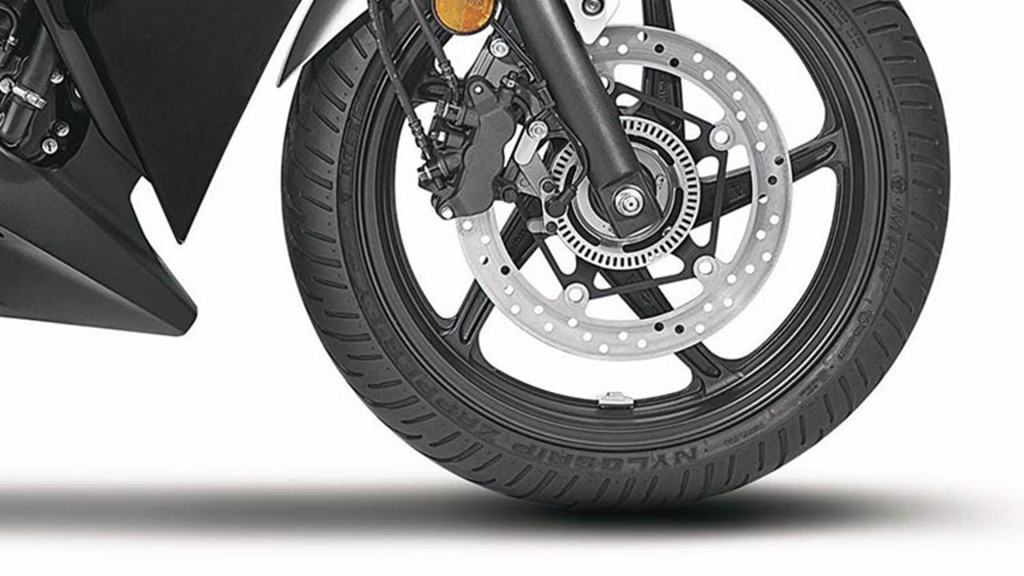
A disk brake is a braking system that uses friction made by applying brake pads to a spinning disk (rotor) to reduce or stop a wheel’s speed. Unlike older systems that apply force to the internal wall of a hub or the structural rim of a bicycle wheel, a disc brake system isolates the entire braking action to a dedicated, highly durable metal plate.
The Mechanics of Friction and Energy Transformation
The basic concept of any disc brake is to transform the energy of motion (kinetic energy) into energy of heat (thermal energy). When a driver presses a brake pedal or a rider squeezes a handlebar lever, a highly amplified force pushes sacrificial friction elements (the brake pads) directly against a rapidly spinning steel disc (the rotor).
Because this system is open to the air, it can dissipate heat much more efficiently than older systems, and thus will not cause “brake fade”. Brake fade is a dangerous circumstance when the brakes lose their effectiveness because of excessive heat buildup inside an enclosed assembly. The open cooling loop of a disc brake ensures that the system delivers identical, reliable stopping power on the fiftieth application just as well as it did on the very first.
How Do Disc Brakes Work?
The Step-by-Step Braking Sequence
- Input Force: The process begins when you pull a brake lever or press a brake pedal via human input.
- Transmission: This force is transmitted via a cable (mechanical) or brake fluid (hydraulic) down to the brake caliper.
- Caliper Action: The caliper acts like a clamp, forcing internal pistons outward from their sealed housings.
- Pad Contact: These pistons force the brake pads to squeeze the spinning rotor from both sides simultaneously with equal pressure.
- Deceleration: Massive friction slows the wheel, converting kinetic energy into heat and safely bringing the vehicle to a halt.
Mechanical vs. Hydraulic Transmission Systems
- Hydraulic System Multiplier: Uses a completely sealed fluid pathway that acts as a force multiplier, allowing you to generate thousands of pounds of clamping pressure with a gentle, single-finger squeeze.
- Mechanical System Limitations: Relies on a physical steel cable pulled through a flexible outer housing, which is inherently limited by internal friction and requires significantly more hand strength.
Main Components of a Disk Brake System
| Component | Function / Purpose | Key Characteristics |
| Rotors / Discs | Circular metal plate that rotates alongside the wheel hub. | Provides the primary friction surface for stopping. |
| Brake Pads | Sacrificial blocks of high-friction material. | Clamps onto the spinning rotor and safely wears down over time. |
| Calipers | The protective outer housing acts as a mechanical clamp. | Contains the internal pistons and the brake pads. |
| Fluid or Cable | The operational medium used to link input to output. | Transmits the input braking force directly down to the wheel. |
What Are the Three Types of Disc Brakes?
When exploring the market for a new disc brake bike upgrade, you will encounter three primary variations of disc brake technology. Each style features distinct mechanical characteristics tailored to specific budgets and riding environments.
Mechanical Disc Brakes
Often referred to by cyclists as “cable-actuated” discs, these use a traditional steel cable to actuate the pistons.
- Pros & Cons: They are highly affordable and simple to comprehend structurally, making them incredibly easy to repair on the trail with a basic multi-tool. However, they require more physical effort at the lever and require regular cable adjustments as the wire naturally stretches out over months of usage.
- Ideal Use Cases: Budget-conscious mountain bikes, daily urban commuter bicycles, and long-distance adventure touring bikes.
Hydraulic Disc Brakes
Commonly found in automotive architectures, motorcycles, and high-performance hydraulic disc brakes, MTB setups completely swap out the steel wire for a sealed, pressurized fluid system.
- Pros & Cons: They offer truly incredible modulation (control) and massive, effortless stopping power with minimal hand effort. Because fluid transmits force with zero internal friction, you get instantaneous feedback. However, they are significantly more expensive initially and far more complex to work on, requiring a specialized “fluid bleed” procedure if air bubbles get trapped inside the fluid lines.
- Ideal Use Cases: High-end mountain biking, downhill racing, modern road race bikes, and performance scooters.
Hybrid Disc Brakes
A “best of both worlds” approach, a hybrid configuration uses a standard mechanical steel cable to pull a hydraulic link located directly at the caliper.
- Pros & Cons: This unique design delivers a massive percentage of the crisp stopping power and excellent pad modulation associated with full hydraulics, while allowing riders to retain their existing, highly affordable mechanical brake levers. However, hybrid calipers are noticeably heavier, bulkier, and combine the potential failure points of both systems (cable stretch and hydraulic seal wear).
- Ideal Use Cases: Cyclists wanting to upgrade older mechanical frames to hydraulic performance without spending money to replace their entire lever assembly.
Mechanical vs. Hydraulic Disc Brakes
Comparison Profile
- The Performance Winner: For mountain biking, a premium hydraulic disc brake MTB choice is highly superior because it offers better modulation (the ability to feel exactly how much pressure you apply to avoid skidding).
- The Serviceability Winner: For long-distance bike touring, mechanical brakes excel because you can quickly swap a snapped wire in a remote area without needing specialized fluid bleed kits.
Honda Dio Disc Brake Guide: Features, Variants & Benefits
Urban Safety & Performance Layout
- The Commuter Game-Changer: Upgrading to a front Honda Dio disk brake variant significantly reduces overall stopping distances compared to old-school drum configurations.
- Metropolitan Confidence: Gives riders sharp, immediate deceleration to handle sudden pedestrian crossings and erratic city traffic, even when carrying a passenger or navigating slick roads.
Honda Dio BS6 Disc Brake Enhancements
- Chassis Integration: Fully merges the front hydraulic disc system with Honda’s proprietary Combi-Brake System (CBS).
- Automated Force Distribution: Pulling the left brake lever automatically engages the rear drum while simultaneously distributing a precisely calculated portion of force up to the front disc.
- Chassis Stabilization: This combined behaviour balances the scooter’s weight, prevents wheel lockup, eliminates skids, and stabilizes handling on unpredictable streets.
Disk Brakes vs. Rim Brakes: Which Is Better?
Disc Brakes vs. Rim Brakes Comparison
| Feature / Metric | Disc Brake Systems PDF | Rim Brake Systems PDF |
| All-Weather Power | Excellent. Rotors sit far away from mud/water and feature cutouts that shed fluid for instant wet-weather bite. | Poor. Water and grime coat the rim surface, requiring the rubber pads to scrape away moisture before stopping. |
| Component Longevity | High. Isolates all frictional wear to a cheap, easily swappable metal rotor, preserving the wheel. | Low. Turns your actual wheel rim into a wear item, slowly grinding it down until it grows thin and cracks. |
| Modulation & Feel | Superior. Requires significantly less hand effort to execute powerful, precise, micro-adjusted stops. | Moderate. Requires higher physical hand tension on the lever to generate maximum clamping power. |
| Weight Profile | Slightly heavier due to the caliper, rotor, and reinforced hub architecture. | Lighter. Minimalist design, which is why some climbing road cyclists still prefer them. |
Rotor Size Profiles
- Small Diameters (140mm – 160mm): Tailored for lightweight road race bikes or flat city commutes where saving weight is prioritized.
- Large Diameters (180mm – 220mm): Offers a longer lever arm and massive mechanical leverage, making it essential for handling the extreme kinetic loads of heavy cargo bikes, e-bikes, and downhill mountain biking.
- Aerodynamic Integration: Flat-mount frame designs tuck modern disc calipers clean out of the wind, minimizing aerodynamic drag penalties.
Wheel Retention Configurations
- Quick Release (QR): An older 5mm skewer design that can suffer from axle flex, rotor rubbing, and uneven pad wear under high braking loads.
- Thru-Axles: A thick, solid metal pin (12mm to 15mm) that slides directly through closed frame loops. It stiffens the wheel interface, completely eliminates axle flex under load, and ensures perfect rotor alignment.
What Are the Advantages & Drawbacks of Disc Brakes?
The Core Advantages
- Consistency: Delivers uncompromised stopping power across water, mud, snow, or extreme desert heat.
- Modulation: Linear feel allows operators to meter out stopping forces precisely without locking up wheels.
- Wheel Preservation: Prevents rim wear, extending the lifespan of expensive wheelsets indefinitely.
- Fade Resistance: Open-air design dissipates heat quickly to maintain performance under heavy payloads.
The Core Drawbacks
- High Costs: Demands a larger upfront financial investment, and replacement parts cost more than rubber pads.
- Complex Upkeep: Bleeding hydraulic lines requires patience, specialized tool kits, and strict technical cleanliness.
- Contamination Sensitivity: Highly vulnerable to oils; chain lube or grease spills cause intense pad squealing and a massive drop in power.
- Warping Risk: Rapid cooling shifts (like a splash of cold water on a burning hot disc) can warp the thin steel out of alignment.
ABS and CBS: What Do They Mean in Braking Systems?
As vehicles grow faster, mechanical disc brake hardware is increasingly paired with intelligent assist systems to actively protect riders from accidents:
- ABS (Anti-lock Braking System): Uses electronic sensors to monitor wheel rotation speed and prevent the disc brake from locking the wheel during an emergency stop. If a lockup is detected, it automatically pulses the brake fluid pressure, allowing the rider to maintain complete steering control while stopping safely.
- CBS (Combined Braking System): Actuates both front and rear brakes simultaneously to balance vehicle weight distribution. This mechanical or hydraulic linkage stabilizes the chassis and dramatically reduces the risks of sudden wheel skids.
When to Change Brake Discs: Signs You Shouldn’t Ignore
Knowing exactly when to change brake discs is vital to prevent catastrophic hardware failure and maintain overall safety on the road.
Critical Warning Signs to Watch For
- Squealing and Grinding Noises: A high-pitched squeal or harsh metal-on-metal scraping sound indicates your brake pads have fully worn through, meaning their steel backplates are grinding directly onto the rotor face.
- Distinct Lever Vibration: If you feel a rhythmic pulsing or fluttering sensation pushed back into your brake pedal or handlebar lever whenever you apply the brakes, your rotor has likely warped out of true alignment due to severe overheating.
- Reduced Braking Efficiency: If your vehicle takes noticeably longer to stop or the lever feels soft and requires excessive pulling distance to create friction, your system is heavily degraded.
Inspection and Replacement Tips
- Check the Minimum Thickness: Every single high-quality brake disc has a “Minimum Thickness” measurement permanently laser-etched onto its center carrier hub. Use a digital micrometre to regularly measure your rotor thickness. If the metal has worn down below this specified number, the disc loses its structural strength and can completely crack or shatter under high panic-braking forces.
- Prioritize Compatibility and Quality: When updating your vehicle, choose replacement parts that match your vehicle compatibility specs. Opting for high-quality Original Equipment Manufacturer (OEM) parts ensures identical fitment and predictable safety performance.
- Match Hardware to Your Riding Style: High-performance aftermarket parts (like slotted, drilled, or multi-piece carbon-steel rotors) offer superior heat management for aggressive riding styles. Always balance your performance needs against budget considerations, but never compromise on material selection when your safety is on the line.
- Follow a Routine Replacement Schedule: Generally, you should plan to change your sacrificial friction pads every 2,500–5,000 miles, depending on your riding style, but you should explicitly check when to change brake discs (the solid metal rotors) every 2–3 pad changes to ensure they remain flat, thick, and unscored.
Frequently Asked Questions About Disk Brakes
A disc brake uses a caliper to squeeze high-friction pads against a rotating disc mounted to a wheel hub, creating friction to convert kinetic energy into heat and safely stop the vehicle.
Hydraulic disc brakes are far superior for ultimate stopping performance, modulation, and low maintenance; mechanical disc brakes are much better for budget-conscious buyers and simple, trail-side DIY repairs using basic tools.
They offer superior, highly consistent stopping power in wet or muddy conditions, provide rapid heat dissipation to resist brake fade, allow for pinpoint lever modulation, and eliminate structural wear on your expensive wheel rims.
The five most common types universally utilized across global transportation are Disc Brakes, Drum Brakes, Rim Brakes, Coaster Brakes (pedal-backward hubs), and Regenerative Brakes (used in electric vehicles to harvest energy back into a battery).
The “3 brake system” typically refers to modern multi-tiered configurations deploying three independent methods of stopping power for safety redundancy. On standard motorcycles, this comprises a primary front disc brake, a secondary rear brake, and a third method, such as manual engine braking via transmission downshifting. On commercial vehicles, it refers to front brakes, rear brakes, and a dedicated mechanical emergency/parking brake.
Conclusion: Are Disk Brakes Worth It?
The disk brake may be considered one of the most significant safety innovations ever developed in transportation history. Whether in a city environment, such as the Honda Dio scooter, or on downhill mountain bikes designed to survive the harsh conditions of extreme racing, the consistency, safety and stopping power they offer under any weather conditions are way superior to the old drum or rim alternatives.
A disc brake system may be a bit more expensive up-front and may need a little technical maintenance, such as bleeding the fluid, every so often, but the improved performance, margins of safety, and moments of peace of mind on every ride are well worth it. Respect your braking system: Rotors should be completely clean of grease and all other contaminants, and brake pad wear must be closely monitored, and safety in braking is always first!
