
Category: News & Events
Why Lubricating Your Motorcycle Chain Is Essential: The Ultimate Maintenance Guide
The motorcycle chain is a “set it and forget it” item to many riders until it begins to make noises or worse still, breaks in the middle of a highway. Maintenance is evaded since it is considered a dirty, gruesome task, or maybe it is only the uninformed modern rider who has not considered the mechanical stress on a component so important. However, neglecting this simple task is a recipe for expensive repairs, reduced performance, and compromised safety.
Knowing the importance of lubricating your motorcycle chain is the initial step of becoming a more responsible and wiser rider. In addition to ensuring that everything runs smoothly, the correct lubrication also influences the power delivery of your bike, your wallet and your personal experience with your bike. Whether you are a weekend warrior or a daily commuter, the health of your drivetrain determines the quality of your ride.
This is a complete manual where we will immerse ourselves in the science of chain care, why riders do not take this responsibility seriously and answer the burning questions that any rider will have towards the motorcycle chain lube.
Key Takeaways
- Safety First: Regular lubrication prevents chain failure, which can be catastrophic at high speeds.
- Save Money: Proper care can triple the lifespan of your expensive chain and sprocket kit.
- Intervals: Lube every 500–700 km for road use, or sooner if riding in rain/dirt.
- Process: Clean, dry, and lube the inner side, and let it sit for 15 minutes.
- Products: Use O-ring safe sprays; avoid heavy grease and WD-40 as primary lubes.
What Does a Motorcycle Chain Do?
Its main purpose is transmission of power: it passes the rotating force of the gearbox on the engine to the rear wheel, with the help of which you can move forward. Without this connection, your engine is only a clamorous box of spinning metal.
Chain vs. Belt vs. Shaft Drive
Most motorcycles have chains, although some are driven by a shaft (used on large touring bikes such as BMWs, which offer low maintenance but are heavy), while others are driven by a belt (quiet, and usually used on cruisers such as Harley-Davidsons, but very weak when subjected to high torque). The reason behind the use of chains is due to their light weight, efficiency in transferring power and comparatively simple and cheap replacement.
Nevertheless, since a chain is an open system that is vulnerable to the factors, it requires much more maintenance than its counterparts. Without the protection of a housing (like a shaft drive), the chain relies entirely on the rider to provide a protective barrier through regular lubrication.
5 Reasons Why Lubricating Your Motorcycle Chain Is Essential
If you’ve ever wondered about the mechanical benefits of that sticky spray, here are the five fundamental pillars of chain health:
Reduces Friction and Wear
A motorcycle chain comprises hundreds of metal pins, rollers and plates moving at incredibly high velocities. These components slide against each other thousands of times a minute at highway speeds. Also, with no protective coating of motorcycle chain lube, there is continuous contact between metals. This generates great heat and friction, which literally shaves the metal off, making the chain appear to stretch (which is in fact the pins wearing out, and the gaps between links growing larger).
Prevents Rust and Corrosion
Chains are mostly composed of carbon steel, which is highly susceptible to oxidation. As you ride in the rain, mud or even humid coastal air, the moisture gets on the metal surfaces. Lubrication serves as a water-resistant coating covering the metal against oxygen and water. This is particularly vital during the monsoon season or if you live in coastal environments where salt air can cause rust to form on a dry chain in a matter of hours.
Improves Power Delivery
A dry, “kinked,” or rusty chain requires significantly more energy from the engine to move. Friction acts as a parasitic drain on your horsepower. Keeping the links pliable and the rollers free in rotation will give you a good acceleration and less loss of power between the output shaft of the engine and the rear tire. A well-lubed chain makes the bike feel “snappier” and more responsive to throttle inputs.
Extends Chain and Sprocket Life
When properly maintained and of a good quality, an O-ring chain can last more than 20,000-30,000 km. Conversely, it takes an average of 5,000-8,000km to destroy a neglected chain. Due to the wear, both the chain and the sprockets wear out; a dry chain will soon cut up your sprocket teeth, making them look like shark fins. A complete driving gear costs a lot of money to replace; 200-100 Rs of lube is a trivial amount to ensure you save 3,000 Rs in maintenance.
Enhances Riding Safety
The most important reason why lubricating your motorcycle chain is necessary is safety. A dry chain produces too much heat that is likely to melt the internal rubber O-rings. This causes some “seized links” which do not come around the sprockets in the right way. In extreme instances, the chain may fail as a result of load. When a chain breaks quickly, it may either fling itself against the engine case and break it, or wind about the axle at the back, instantly attaching the back wheel, and producing a dangerous skid or crash.
What Happens If You Don’t Lube Your Motorcycle Chain?
Neglect doesn’t just cause a sudden breakdown; it leads to a slow, frustrating degradation of your motorcycle’s performance. If you skip the lube, you will eventually notice these symptoms:
- Increased Chain Noise: A dry chain produces a distinct rhythmic “clacking” or high-pitched grinding sound as it passes over the sprockets.
- Stiff or Frozen Links: You may see links that stay bent in a “V” shape even on the straight run of the chain. This causes vibration through the footpegs and a “jerky” feel at low speeds.
- Poor Mileage: Increased drivetrain resistance means your engine has to work harder to maintain speed, which directly translates to burning more fuel.
- Uneven Chain Tension: As specific links wear faster than others, the chain will have “tight” and “loose” spots, making it impossible to adjust the tension correctly.
- Higher Long-Term Costs: You won’t just be replacing the chain; you’ll be replacing sprockets and potentially paying for labor more frequently at service centers.
Should I Lube My Motorcycle Chain After Washing?
This is a source of confusion to new riders. Is it better to lubricate my motorcycle chain once I have washed it? The answer to this is yes, yes, yes.
In washing your bike, and particularly when you apply a lot of high-pressure water or soap, you remove the already existing oils and lubricating substances that were preventing rusting of the metal. In addition, water may become stuck in the rollers. When you put the bike away after a wash without lubing the chain, you will most probably find that the very following morning the chain will be covered with flash rust (a bright orange coating).
The Proper Method After a Wash:
- Dry the chain: Use a microfiber cloth or compressed air to remove standing water.
- Short Ride: Some riders take a very brief, 2-minute slow ride to use centrifugal force to fling out water and warm up the chain.
- Apply Lube: Once dry (and ideally slightly warm), apply your motorcycle chain lube to ensure moisture is sealed out.
How Often Should I Lube My Motorcycle Chain?
There is no “one size fits all” answer, as riding conditions vary wildly. However, we can break it down into general rules of thumb.
General Recommendation
For a standard street bike used in fair weather, you should aim to lubricate your chain every two to three weeks. However, riders in harsh environments, such as those dealing with road salt in winter or heavy dust in summer, need to be much more vigilant.
How Often Should I Lube My Motorcycle Chain in KM?
If you prefer to go by the odometer, follow these intervals:
- Standard Street/Highway Use: Every 500–700 km.
- Rainy Weather or Coastal Roads: Every 300–400 km (or after every ride in heavy rain).
- Off-Road or Dusty Conditions: Every 200–300 km.
- Touring: If you are on a long-distance trip, make it a habit to lube the chain every evening when you stop for the night.
Signs Your Chain Needs Lubrication
Keep an eye out for these visual and auditory cues:
- Shiny Rollers: If the center rollers of the chain look like polished silver, they are bone dry. They should typically look slightly waxy or dark.
- Squeaking: Any bird-like chirping coming from the rear of the bike is a cry for help.
- Jerky Acceleration: If the bike feels “clunky” when you roll the throttle on and off, the chain links are likely sticking.
Can I Use Grease on a Motorcycle Chain?
It is a typical find in the older garages: a tub of heavy, multiple-purpose grease. Many riders ask, “Can I use grease on a motorcycle chain?” Although grease is a good lubricating oil in the internal systems, such as wheel bearings or swingarm pivots, it should not be used in modern drive chains due to a number of reasons:
- The “Grit Paste” Effect: Grease is extremely tacky. It acts like a magnet for road sand, dirt, and tiny rocks. This creates an abrasive paste that acts like sandpaper, grinding down your O-rings and metal surfaces.
- No Penetration: Modern chains are O-ring or X-ring types, meaning they have factory grease sealed inside. You need a thin lubricant that can seep under the rollers to keep them moving. Thick grease just sits on top.
- The Mess: Grease will fly off the chain (fling) almost immediately, coating your rear wheel, braking disc, and riding gear in a thick, hard-to-clean sludge.
Types of Motorcycle Chain Lubes
Not all lubes are created equal. Choosing the right one depends on where and how you ride:
- Spray Chain Lube: The most common variety. It comes out as a thin liquid to penetrate the links and then “sets” into a waxy or tacky film.
- Wet Lube: Best for riders in consistently rainy or wet climates. It stays liquid-like and resists being washed off by puddles, though it does attract more dirt.
- Dry Lube: Usually contains Teflon or ceramic particles. It dries completely to the touch, making it the best choice for dusty or off-road environments where you don’t want dirt sticking to the chain.
- O-Ring & X-Ring Compatible: Always check the label! Some harsh cleaners or lubricants can cause the rubber seals in your chain to swell or crack, leading to premature failure.
How to Properly Lube a Motorcycle Chain (Step-by-Step)
If you are ever unsure about the condition of your drivetrain, it is always a good idea to visit a nearby service center for a professional inspection. However, for routine maintenance, you can follow this pro-level process:
- Secure the Bike: Use a center stand or a rear paddock stand so the back wheel spins freely. Never do this with the engine running and the bike in gear; you risk losing fingers in the sprockets.
- Clean the Chain: You cannot effectively lube a dirty chain. Use a dedicated chain cleaner or kerosene and a three-sided “grunge brush” to remove old wax and grit.
- Dry It Off: Wipe the chain thoroughly with a rag.
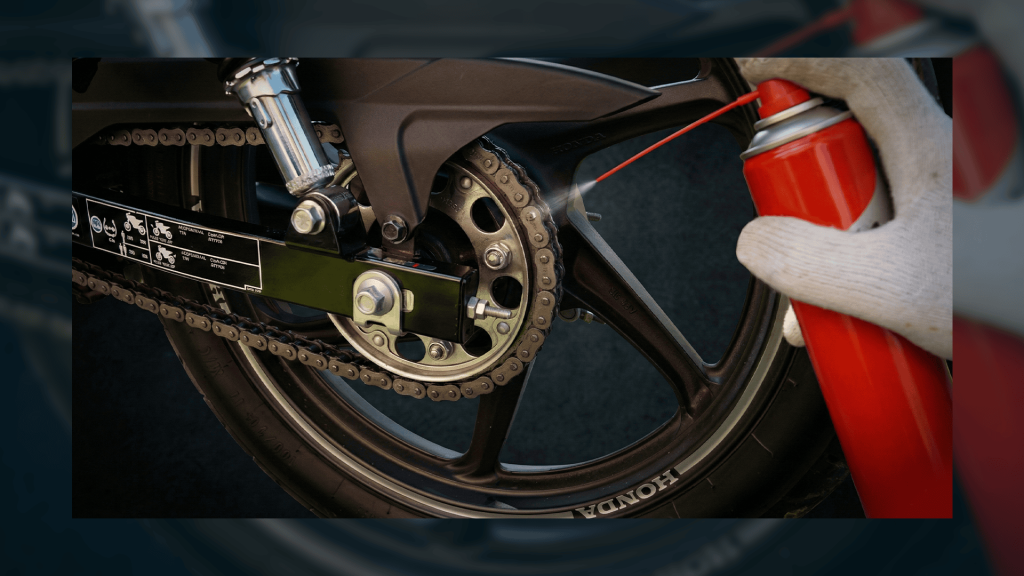
- Apply the Lube: Aim the spray at the inside of the bottom run of the chain. Specifically, aim for the edges of the side plates where the O-rings are located.
- Rotate the Wheel: Spin the wheel by hand several times to ensure the lube works its way into the rollers.
- Let It “Set”: This is the most ignored step. Wait 10–15 minutes before riding. This allows the solvents to evaporate so the lube stays on the chain instead of flinging onto your tire.
Common Motorcycle Chain Lubing Mistakes
- Lubing a Cold Chain: Lube penetrates better when the chain is warm after a ride.
- Using WD-40 as a Lubricant: WD-40 is a great cleaner, but it is too thin to act as a long-term lubricant. It will evaporate, leaving the metal unprotected.
- Over-Lubricating: If the chain is dripping, you’ve used too much. The excess will just create a mess and potentially get on your rear brake rotor.
- Ignoring the Front Sprocket: Dirt builds up behind the front sprocket cover. Clean this area occasionally to prevent “sludge” from falling back onto your clean chain.
Does Chain Lubrication Improve Mileage?
Yes, it does. While the gains aren’t as massive as keeping your tires inflated, a lubricated chain reduces “parasitic drag.” When the engine doesn’t have to fight against friction and stiff links to turn the rear wheel, it operates more efficiently. Riders often report a 2–3% increase in fuel economy after switching from a neglected chain to a properly maintained one.
Most Common Myths About Motorcycle Chain Lubrication
Myth 1 – More Lubricant Is Always Better
Incorrect. Excess lubricant simply flings off and attracts more abrasive road grime, which can actually accelerate wear.
Myth 2 – Any Lubricant Works Fine
False. Using motor oil or household oils will result in “fling-off” and won’t protect the sensitive rubber O-rings like a dedicated motorcycle chain lube.
Myth 3 – Lube Only When the Chain Makes Noise
By the time you hear the chain, the metal-to-metal damage has already started. Lubrication is preventative, not a cure for a ruined chain.
Myth 4 – Chain Lubricants Attract Dirt
Only if you use the wrong type or apply too much. Modern dry waxes and Teflon-based lubes stay very clean.
Myth 5 – Timing of Lubrication Doesn’t Matter
Actually, lubing right after a ride is the gold standard. The chain is warm, allowing the lube to flow into the tightest spots, and it has all night to “dry” and bond to the metal.
FAQs
-
Is chain lube better than oil?
Yes. Chain lube contains “tackifiers” that help it stick to the chain at high RPMs, whereas standard oil will spray off immediately.
-
How often should I lube my motorcycle chain in km?
The standard is every 500–700 km, but check it every 300 km if you are riding in the rain or through dust.
-
Should I Lube My Motorcycle Chain After Washing?
Yes. Washing removes the protective barrier. Reapply lube once the chain is dry to prevent rust.
-
Can engine oil be used on a chain?
In a pinch, yes, but it is messy and short-lived. It’s better than nothing, but not a long-term solution.
-
Do new motorcycles need chain lubrication?
Yes. They usually come with a heavy shipping grease that is very sticky. After the first 500 km, you should clean it and apply a proper lubricant.
-
Should I lube before or after a ride?
After a ride is better. A warm chain accepts lube more easily, and the “dwell time” while the bike is parked prevents the lube from flinging off.
Is your chain looking a bit dry or sounding noisy? Don’t wait for a breakdown! Grab a can of high-quality lube today, or better yet, head to your local mechanic for a full drivetrain inspection.
How to Improve Your Bike’s Mileage and Performance in Nepal’s Traffic (2026 Guide)
Manoeuvring through the congested streets of Kathmandu and Pokhara or the tiny lanes of Bhaktapur and Lalitpur is an everyday challenge to manpower. Your motorcycle gets battered between the never-ending stop-and-go traffic at Koteshwor and the sharp ascents on the valley rims. When the cost of fuel continues to increase in 2026, each cent of petrol will matter. Making fuel-efficient choices, such as opting for the Best Mileage Scooters in Nepal 2026, is more important than ever for daily commuters.
When you realise that your bike is not moving as fast as it used to or you are going to the petrol pump more frequently than usual, then you know you need some intervention. It is not simply a matter of saving money; knowing how to increase the mileage of a bike and enhance bike performance is crucial for having a smoother and safer ride through the unique Nepalese terrain.
Why Your Bike’s Mileage Drops in Nepal’s Traffic
Traffic in Nepal is notorious, and it is known to be hard on engines. The major culprits are long signals where people do a lot of idling, hard braking to avoid crazy pedestrians and riding in low gears during long jams. Moreover, the dust created by on-going construction of roads clogs the filters in very little time, and the quality of fuel at certain pumps is not consistent, which may result in incomplete combustion of fuel, which causes your mileage to drop drastically.
Best Riding Habits to Improve Bike Mileage
The most immediate way to see a change is through your right wrist.
- Smooth Acceleration: Don’t rip the throttle open. Gradual acceleration saves a significant amount of fuel.
- Shift Gears Wisely: Riding in a low gear at high speeds (or vice-versa) stresses the engine. Shift at the recommended RPM.
- Predictive Braking: Instead of slamming the brakes at the last second, anticipate stops and let engine braking help you slow down.
- Kill the Engine: If you’re stuck at a signal for more than 30 seconds, turn off the ignition.
Essential Bike Maintenance Tips for Better Mileage & Performance
A well-maintained machine is an efficient one. To how to improve bike performance, focus on these pillars:
- Engine Oil: Use the manufacturer-recommended grade. Fresh oil reduces friction and heat.
- Tyre Pressure: Low pressure increases “rolling resistance,” making your engine work harder. Check this weekly.
- The Chain: A dry, rusted chain saps power. Keep it cleaned and lubricated every 500 km.
- Air Filter: In dusty Nepal, air filters clog fast. A dirty filter suffocates the engine, forcing it to burn more fuel to maintain power.
Tuning & Technical Adjustments to Boost Bike Performance
Sometimes, the issue is under the hood (or the seat).
- Carburettor/FI Tuning: If your bike is older, a carburettor adjustment can lean out the fuel mixture for better efficiency. For modern bikes, ensure the Fuel Injection (FI) system is cleaned of carbon deposits.
- Spark Plug Health: A fouled spark plug leads to misfires. Replacing a standard plug with a high-quality one can ensure a crisp, clean burn.
- Clutch Adjustment: Ensure there is no “clutch slip,” where the engine revs but the bike doesn’t move forward efficiently.
Fuel Quality and Its Impact on Mileage
In Nepal, fuel quality can vary. Contaminated or low-grade petrol causes “knocking,” which damages the engine and reduces efficiency.
- Stick to Trusted Pumps: Identify a few “Sajha” or reputable private pumps known for quality.
- Avoid the “Bottom of the Tank”: Try not to let your tank run to empty, as debris at the bottom of the tank can enter the fuel lines.
How to Improve Mileage in Stop-and-Go Nepal Traffic
City riding requires a specific strategy:
- Eco-Mode: If your 2026 model has an “Eco” or “Rain” mode, use it during peak hours to dampen aggressive throttle response.
- Weight Management: Remove unnecessary heavy accessories or luggage that add drag.
- Optimal Gearing: In slow-moving traffic, try to find a gear that allows the bike to “crawl” without constant clutching.
Performance Upgrades That Actually Help
You can improve bike performance without turning your commuter into a gas-guzzler:
- Iridium Spark Plugs: These provide a more consistent spark and better cold starts.
- Synthetic Oil: While pricier, it handles the heat of Kathmandu traffic much better than mineral oil.
- High-Flow Air Filters: Brands like K&N (if cleaned regularly) can help the engine breathe easier.
- Avoid: Loud, “free-flow” exhausts that aren’t tuned to your engine; these usually destroy your mileage for the sake of noise.
Common Mileage Myths in Nepal
- Overfilling the Tank: Filling to the brim doesn’t give you “extra” miles; it can actually leak or block the tank’s pressure vents.
- Long Warm-ups: Modern bikes only need 30 seconds of idling. Revving the engine in the morning just wastes petrol.
- Thin Tyres: Some think thinner tyres save fuel. In reality, they reduce grip and safety on Nepal’s unpredictable roads.
Conclusion
Improving your bike’s mileage and performance in Nepal is a balance of smart riding and proactive maintenance. By shifting gears correctly, keeping your filters clean, and choosing your fuel wisely, you can navigate the 2026 traffic landscape with a smoother ride and a heavier wallet. Treat your bike well, and it will return the favour at the pump.
FAQ Section
Check your tyre pressure and clean/lube your chain. These two steps reduce mechanical drag immediately.
Replacing a clogged air filter and changing old engine oil are the most effective maintenance tasks.
Yes. An engine that is “tuned” for performance (smooth combustion, no friction) naturally becomes more fuel-efficient.
Stick to petrol from high-volume, reputable stations. If your bike has a high-compression engine, look for higher octane options if available.
Given Nepal’s dusty conditions, a full check-up every 2,500–3,000 km is ideal to maintain peak efficiency.
Common Mistakes Riders Make That Reduce Bike Mileage
Many motorcycle owners often complain of low fuel economy, but few know that, in most cases, it is not the bike but rather their daily riding habits that are the largest culprit. A motorcycle is a well-tuned machine, and the way you treat it reflects on the fuel efficiency of the motorcycle. Most of the riders unknowingly engage in bike riding errors daily that only compound the bike’s mileage.
This is a particular problem in countries such as Nepal. With frequent traffic jams in cities, challenging hilly roads, frequent stops, and diverse, uneven terrains, the stress on a bike is higher. This makes efficient riding practices and regular maintenance absolutely crucial for getting the best fuel efficiency. Follow these proven bike mileage tips to get the most out of every litre of fuel.
Understanding What Affects Your Bike’s Mileage
In order to optimally boost your fuel economy, you have to first know the variables involved. The mileage of a bike depends on a number of factors: condition of the engine (tuning and quality of the oil), pressure of the tyres, speed of riding, braking, and the amount of weight carried.

Mileage has a fine line between mechanical issues and the technique of the rider. A poorly maintained bike that is neglected will naturally burn more gas, but even a well-maintained bike will give you low miles in case of an inefficient riding style on the part of the rider. The use of simple bike mileage tips in your life can bring a lot of surprising positive outcomes.
Aggressive Acceleration and Sudden Braking
Riding with an inconsistent, aggressive throttle is one of the most prevalent bike riding habits that instantly lowers the bike mileage. Acceleration causes the engine to consume a lot of fuel in a short period of time. And in the same way, forceful, abrupt braking implies that the energy that you have recently consumed as acceleration is being thrown away as heat.
Bike Mileage Tip: Have a consistent, smooth throttle. Expect traffic to come so that there is no abrupt halting. Slowly push the throttle down, then apply both brakes in a smooth motion to stop. This is a fuel-saving method that places less power load on the engine.
Riding in the Wrong Gear
Riding in too high a gear at low speeds (lugging the engine) or in too low a gear at high speeds (high RPM) are both detrimental to fuel economy. When the engine is struggling or screaming, it is burning excess fuel.
Bike Mileage Tip: To improve bike mileage, learn the sweet spot for your bike. Shift up at the right moment, keeping the engine within the ideal RPM range-this is typically where the engine feels smooth and responsive without excessive noise. Efficient riding entails letting the engine work comfortably.
Ignoring Tire Pressure and Condition
Tyres that are under-inflated or worn out grossly raise the rolling resistance of your bike, and the engine has to work harder to keep you moving, hence leading to a decrease in bike mileage.
Air loss is also a frequent problem, considering that the roads in Nepal are usually rough and there is a high probability of a puncture. Having low pressure not only consumes more fuel, but it also influences handling and tyre life.
Bike Mileage Tip: Every week, ensure that you check the tyre pressure with a good gauge. The pressure should always be kept within the range recommended by the manufacturer, which is usually provided on a sticker near the chain or swingarm. This is an important bike maintenance tip.
Delaying Engine Oil Changes
The lifeblood of your Honda motorcycle is engine oil. With time, the oil is lost, gets contaminated, and fails to lubricate. Old or poor quality oil enhances friction in the engine, making the parts work more, and fuel efficiency is reduced directly.
Bike Mileage Tip: Changing engine oil and oil filter according to the recommended time by the manufacturer is a general rule of thumb as far as maintaining your motorcycle is concerned. In most commuter bikes, this is normally after every 2000-2500 km. Correct grade of quality synthetic or semi-synthetic oil may also be used to achieve better mileage in the motorcycle.
Overloading and Carrying Unnecessary Weight
The heavier the weight, the harder the engine will work and the more fuel it will consume. This involves the transportation of heavy baggage, additional accessories, or even being used to have a pillion on board at all times, even when they are not needed. Each additional kilogram is harder to propel.
Bike Mileage Tip: Keep your bike light to reduce bike mileage. The storage compartments should not be crowded with unnecessary items. For example, when you have custom accessories such as a heavy crash guard or oversized carriers, think about whether they are necessary. Reduce the weight of the day to commute.
Poor Chain Maintenance
The chain has the role of transmitting power to the rear wheel through the engine. A dry, rusted, or incorrectly tensioned (too loose or too tight) chain creates excessive friction and drag, hindering smooth power delivery and negatively affecting fuel economy.
Bike Mileage Tip: This is a simple bike maintenance tip with a big impact. Clean and lubricate your bike chain thoroughly every 500–700 km, or immediately after riding in heavy rain or mud. Ensure the chain tension is set to the manufacturer’s specification. This is an essential bike mileage tip.
Excessive Idling and Short Trips
Idling burns fuel, yet it does not get you anywhere. It is not efficient to sit with the engine running in a long traffic jam or when waiting. Equally, short rides do not allow the engine to operate at optimal temperatures, thus not burning all the fuel.
Bike Mileage Tip: When you expect a more than 30-second stop (e.g. long traffic light or railway crossing), turn off the engine to save fuel. Attempt to make short trips one time so that the engine will have time to warm up.
Ignoring the Air Filter and Spark Plug Health
A combination of clean air and fuel should be perfect in the engine to burn efficiently. A blocked air filter limits the airflow to be limited and the engine runs rich (more fuel than air); therefore, fuel economy is drastically reduced. A defective or worn-out spark plug leads to low combustion.
Due to dusty roads in most areas in Nepal, the air filter should be checked and cleaned more often.
Bike Mileage Tip: Inspect or clean the air filter more often than the scheduled service. Replace the spark plug as recommended by the manufacturer. These simple motorcycle care tips ensure optimal combustion and good bike mileage.
Neglecting Regular Servicing
Some of the most expensive mistakes people make when bike riding include failure or a delay in undergoing regular bike servicing. Service: This is done to guarantee that the entire parts of the bike, including the carburettor/fuel injector, brakes and clutch, are maintained in proper tune and alignment. An engine that is not tuned is inefficient.
Bike Mileage Tip: Never miss out on the service schedule. The advantage of visiting authorised service centres is that they offer the services of skilled mechanics who use original parts and provide the bike with proper engine tuning, which is essential in enhancing the mileage of a bike and prolonging the life of the engine.
Pro Tips to Improve Bike Mileage
Mastering these easy bike mileage tips will help you improve bike mileage immediately:
- Maintain Steady Speed: Ride consistently between 40–60 km/h in the highest comfortable gear.
- Check Tyre Pressure Weekly: Keep tyres inflated to the recommended PSI.
- Change Oil on Time: Use the correct, quality oil and change it every 2000–2500 km.
- Lube the Chain Regularly: Clean and lubricate the chain every 500–700 km to reduce drag.
- Avoid Sudden Movements: Practice smooth acceleration and gentle, predictive braking.
- Service Your Bike Regularly: Never skip a scheduled service appointment.
Keep Your Bike Efficient with Regular Servicing in Nepal
Your machine and you make the most of your miles. You can greatly decrease the loss of bike mileage by removing typical bike riding errors and carrying out regular maintenance. Based on the harsh conditions of riding, professional maintenance is undisputed regarding smooth functionality and fantastic motorbike servicing guidelines.
Stop wasting fuel! Make the first move towards improved mileage. Take your vehicle to a nearby Honda authorised service centre to have a complete mileage check-up and professional tuning.
FAQ Section
-
Why does my bike’s mileage suddenly drop?
A sudden drop is usually caused by a mechanical issue like a clogged air filter, low tyre pressure, a stuck choke, old engine oil, or a spark plug issue.
-
How often should I change my engine oil to improve mileage?
For most commuter bikes, change the oil every 2000–2500 km to ensure minimum friction and maximum efficiency.
-
Can tyre pressure affect fuel economy?
Yes, severely. Under-inflated tyres increase rolling resistance, making the engine work harder, which directly leads to a significant reduction in bike mileage.
-
What is the ideal speed for maximum bike mileage?
The most fuel-efficient speed for most commuter bikes is usually between 40 km/h and 60 km/h in the highest gear.
-
How do I improve mileage in city traffic?
Focus on smooth riding: avoid aggressive acceleration, practice gentle braking, and turn off the engine during stops longer than 30 seconds.
-
Does carrying a pillion reduce mileage?
Yes, carrying a pillion or heavy luggage increases the total load, forcing the engine to exert more power and consequently reducing bike mileage.
-
How often should I clean my bike chain?
You should clean and lubricate your bike chain every 500–700 km, or immediately after riding through rain, mud, or on dusty roads.
How to Know the Right Time to Service Your Motorcycle or Scooter
To any rider in Nepal, a motorcycle or a scooter is not only a reliable companion on the road. Thus, scooter servicing and bike servicing should not be only a matter of rules, but the key to the highest performance and the safety of a rider, as well as the long-term reliability of your car.
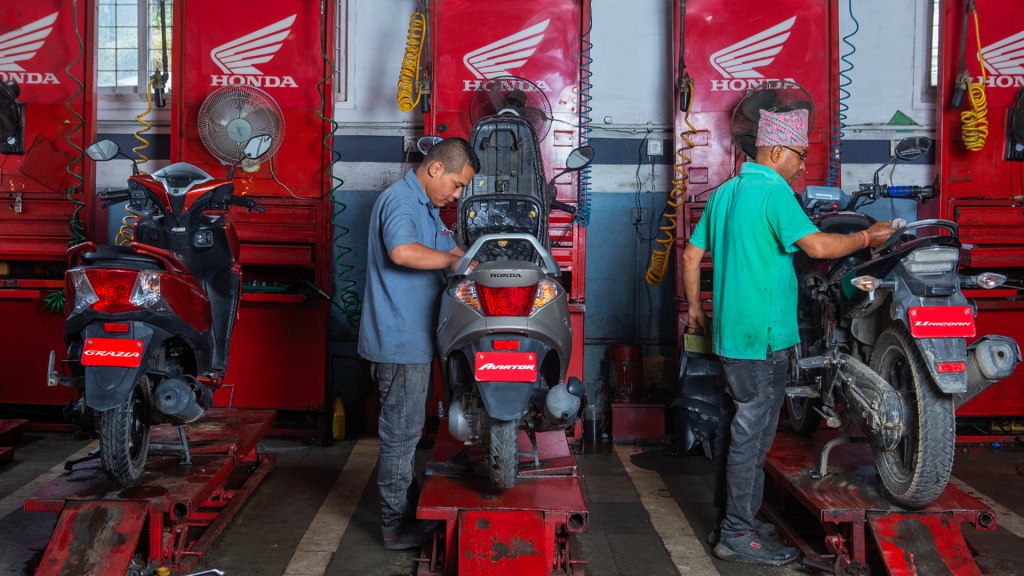
Although authorised service centres provide expert services, more Nepalese riders are now willing to fix minor repair tasks at home to save money and to do so conveniently. The first steps to becoming a responsible and skilled rider are to understand the appropriate time required to service the bike and what to look out for in the case of signs of wear and tear.
Why Regular Bike and Scooter Servicing Matters
A small problem might become a big and expensive one by not following the maintenance schedule. The routine maintenance of bikes can be seen as an example of proactive care, whose direct effect on various advantages is as follows:
- Maintained Engine Performance: Fresh oil and a clean air filter ensure the engine runs smoothly and delivers its intended power.
- Optimal Fuel Efficiency: A well-tuned engine and correctly inflated tyres maximise your mileage.
- Enhanced Safety: Regular checks on brakes and lights prevent dangerous breakdowns.
To find the answer to the question of how frequently a bike should be serviced, a general rule is to adhere to the recommendations of the manufacturer, who usually combines a distance measurement (of kilometres) and a time measurement (of months).
Signs It’s Time to Service Your Bike or Scooter at Home
Your two-wheeler will never fail to warn you when it requires to be given attention. It is important to identify the following signs to anticipate bike servicing and scooter servicing:
- Unusual Engine Noises or Vibrations: When there is a new rattling, knocking, or high level of excessive vibration, it is an indicator that something is amiss, either the engine oil or a loose part.
- Reduced Mileage or Sluggish Performance: When your car seems slow to pick up or you are at the petrol pump more frequently, the air filter or carburettor/fuel injection system requires tuning or cleaning.
- Brakes Feeling Weak or Spongy: Your brakes are your most critical safety feature. If the lever or pedal feels too loose, too stiff, or if the braking power is diminished, service is urgently required.
- Oil or Fluid Levels Dropping Faster than Usual: This could indicate a leak or excessive consumption, warranting an immediate check.
- Lights or Indicators Malfunctioning: Faulty electrical systems, especially brake lights and turn signals, compromise your safety and that of others.
Recommended Bike Servicing Time and Frequency
The golden rule for the bike servicing time is to refer to your owner’s manual. Manufacturers usually specify a service interval based on kilometres or months, whichever comes first.
| Service Type | General Interval (Distance) | General Interval (Time) | Key Checks |
| New Bike (Free Services) | 500 – 1,000 km | 15 – 30 days | First check-up, vital for engine health. |
| Regular Service | Every 2,500 – 4,000 km | Every 3 – 4 months | Oil change, chain adjustment, brakes, fluids. |
| Major Service | Every 10,000 – 12,000 km | Annually | Engine tune-up, spark plug, air filter replacement, and detailed inspection. |
For Honda motorcycles and scooters up to 150cc, authorised centres often recommend a service interval of approximately 3,500–4,000 km or 105–120 days after the first free service. Regular riders in Nepal, due to dusty road conditions, should consider shorter intervals, especially for checking the air filter and chain. This addresses the core concern of how often a bike needs servicing in the local environment.
Simple Home-Service Checklist:
- Check engine oil level and colour (change if dark/gritty).
- Lubricate and adjust the drive chain.
- Check tyre pressure and tread depth.
- Inspect brake fluid and brake pad/shoe wear.
- Test all lights, horn, and indicators.
Understanding Bike Servicing Price in Nepal
The bike servicing price in Nepal can vary significantly depending on whether you opt for a minor home service or a major professional one, as well as the make and model of your two-wheeler.
- Minor Home Service (DIY): If you perform an engine oil change and chain lubrication yourself, the cost is primarily for genuine parts and fluids. A high-quality engine oil for a commuter bike may cost approximately Rs. 700 to Rs. 1,500.
- Minor Service (Local Workshop): For a basic service including an oil change and general check-up, local workshops may charge a labour fee of Rs. 500 to Rs. 1,000, plus the cost of parts and oil.
- Professional Major Service (Authorised Dealer): A comprehensive major service at an authorised centre (which includes oil change, filter replacements, fluid top-up, and detailed tuning) will have a higher overall cost. For a popular 150cc motorcycle, the labour and parts cost for a paid service can range from Rs. 1,500 to Rs. 4,000 or more, depending on what needs replacement.
The main factors affecting the final bike servicing bill are:
- Type of Service: Major services require more labour and part replacements.
- Genuine Parts: Using manufacturer-recommended spare parts (e.g., air filter, spark plug) is more expensive but ensures quality.
Honda Motorcycle Servicing at Home- What You Need to Know
For owners of Honda bikes and scooters (such as the Honda Shine BS6 or Dio), specific attention during Honda motorcycle servicing is vital to maintain their famed reliability.
- Honda Service Intervals: Honda motorcycles and scooters, which are new, are often supplied with several free service coupons that are limited by distance/time (e.g., 750-1000 km or 15-30 days of the first service). These intervals are essential, particularly in the initial few paid services (e.g. every 6,000 km or 180 days of paid services on some models).
- Use Genuine Parts and Oil: The use of genuine engine oil and parts (air filters, oil filters) of Honda’s recommended grade should be used. This guarantees the stability and conditions of efficient functioning of the engine, which is one of the major features of proper bike maintenance.
- Safety Precautions: In carrying out simple maintenance procedures such as checking the fluid levels, be sure that the engine is cooled. Be equipped with the required equipment, and in cases where a task requires intricate engine or electrical skills, always seek the services of a professional.
DIY vs Professional Servicing: Pros and Cons
| Feature | DIY (Home Servicing) | Professional Workshop Servicing |
| Cost | Low (only parts and fluids) | Higher (labour + parts) |
| Convenience | High (done on your schedule) | Requires time off and travel |
| Expertise | Limited to basic checks | Certified technicians and specialised tools |
| Warranty | May void the warranty if done improperly | Maintains manufacturer warranty |
| Scope | Minor checks (oil, chain, tyres) | Major checks (valves, clutch, suspension, diagnostics) |
Although home scooter servicing is convenient and cost-effective, professional servicing provides expertise and overall diagnostics that keep your warranty intact and also reveal deep-rooted problems. The middle ground is the best: you are able to do the regular checks yourself, and bring your car to an official centre to carry out regular services.
Tips to Maintain Your Bike Between Services
Extending your service intervals and keeping your ride in top condition is possible with simple, routine care. This proactive approach will save you money and ensure your bike servicing time is spent only on necessary tasks.
- Keep Tyres Properly Inflated: Check the tyre pressure (PSI) weekly, as recommended by the manufacturer. Correct pressure is key for safety, handling, and maximising fuel efficiency.
- Clean and Lubricate the Chain: For chain-driven motorcycles, clean and lubricate the chain every 500-800 km or after riding in heavy rain or dust. This is essential to prevent premature wear.
- Check Fluids Regularly: Besides engine oil, check the brake fluid and, for liquid-cooled bikes, the coolant level. Top up as necessary.
- Avoid Overloading: Riding within the recommended weight limit reduces strain on the engine, suspension, and tyres.
Conclusion
The best way to counter high maintenance bills and unexpected breakdowns is to know when to have your bike or your scooter serviced. Monitor the visual and auditory signals of your car closely, follow the recommended service schedule offered by the company (in kilometres or months, whichever comes first), and also conduct basic inspections frequently.
Visit Honda service centres when in need. With a reasonable service schedule and balanced home care and professional check-ups, you save on your investment, your safety and have a safe ride on the tough Nepali roads.
FAQ Section
-
How often does a bike need servicing in Nepal?
In Nepal, due to dusty and rough road conditions, most manufacturers recommend a regular service interval of approximately 2,500 to 4,000 km or every 3 to 4 months, whichever comes first. Always check your owner’s manual for precise guidelines.
-
Can I do Honda motorcycle servicing at home safely?
You can safely perform minor checks at home, such as checking engine oil, lubricating the chain, and maintaining tyre pressure. However, for oil and filter changes, technical adjustments, and complex checks, it is always recommended to visit an authorised centre to ensure quality and maintain your warranty. This is especially true for models requiring specific Honda motorcycle servicing procedures.
-
What is the average bike servicing price in Nepal?
The average bike servicing price in Nepal varies. For a minor service at a local workshop (including an oil change), expect to pay between Rs. 1,000 and Rs. 2,500 (parts and labour combined). A major service at an authorised dealer will be higher, potentially ranging from Rs. 2,000 to Rs. 4,000 or more, depending on the extent of parts replacement required.
-
How do I know when my scooter needs service?
Signs that your scooter servicing is due include: the engine making unusual sounds, decreased speed or power, lower mileage, slow or squeaky brakes, and any flickering lights. Always check the odometer against the manufacturer’s recommended service interval (usually based on time and distance).
-
Is home servicing better than visiting a workshop?
Home servicing is excellent for quick, routine checks and saves you time and money on basic maintenance. However, professional workshop servicing is essential for complex technical adjustments, detailed diagnostics, and to uphold your bike’s warranty, especially during its initial years. The best approach is a combination of both.
5 Must-Check Features Before Buying a Scooter in 2026
The beginning of a new year, 2026 in particular accompanied by many technological improvements that complicate the selection of a scooter more than ever. In a saturated market in Nepal, a scooter is not merely an item of ride: it is a need. The most important thing is to go beyond the design when making the most excellent investment and to consider the essence of the scooter features that 2026 gives. Those interested in having fun and style coupled with superior technology, recent models of Honda Nepal scooters, such as Dio, are the most suggested scooters to purchase in Nepal in the upcoming year. A careful examination of the features, such as the competitive Honda scooter price in Nepal, will ensure that your new ride is future-proof.
Engine Performance and Power
Travelling through Nepal, with its peculiarities and frequently difficult routes, including steep slopes of mountainous regions and the traffic jams of the city centres, requires a scooter with a strong engine. A powerful engine not only refers to the speed but also refers to predictable torque, quick acceleration, and the ability to transport a rider comfortably up a hill without any strain.
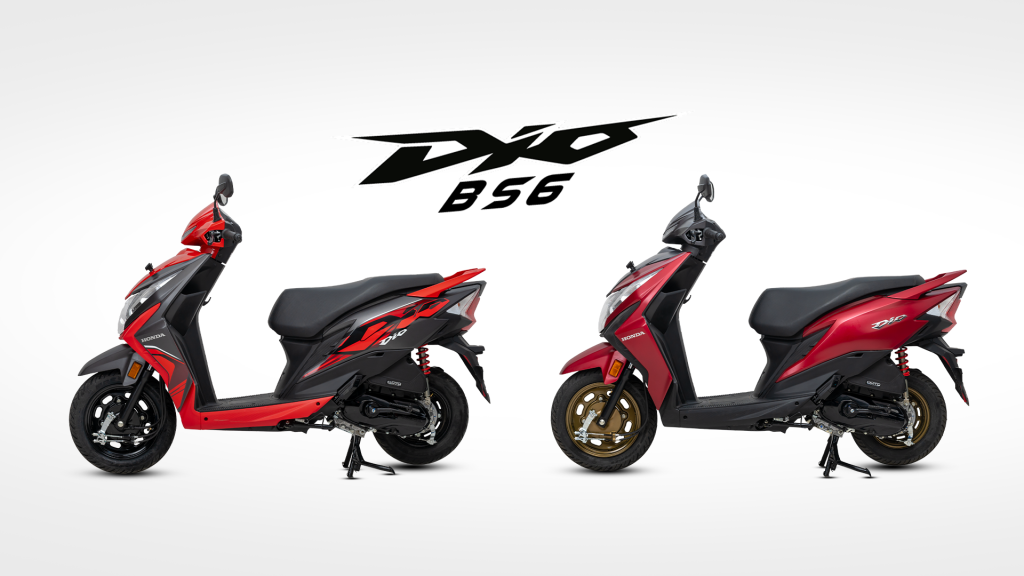
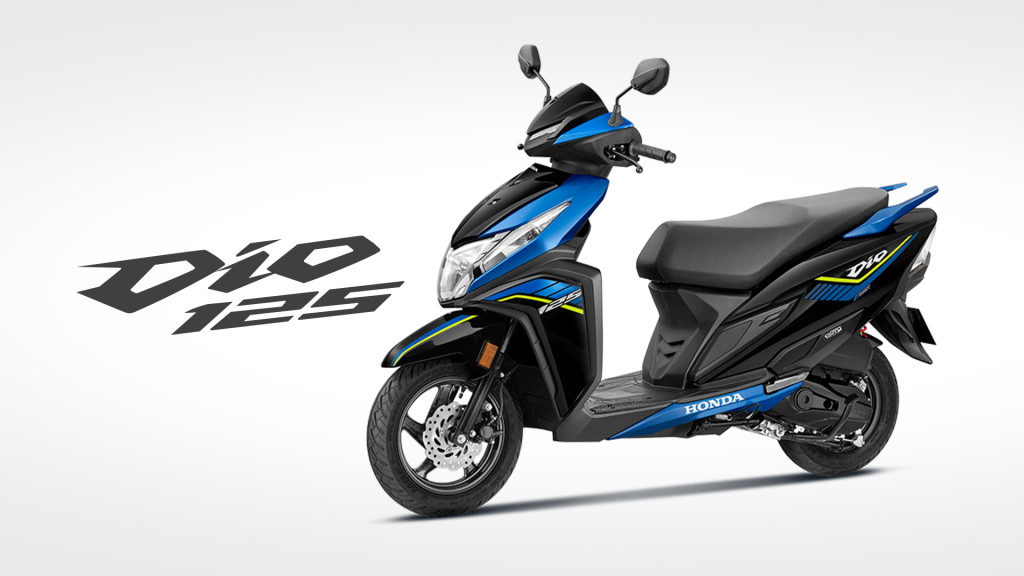
A strong scooter in Nepal, think carefully about the specifications of the engine. An example of this is the 125cc segment by Honda, which is superior in terms of power and refined performance. The Honda Dio 125 is specifically designed in such a way that it has an Enhanced Smart Power (eSP) technology, so that the engine can achieve the best balance between power and efficiency that would allow it to accelerate instantly when needed to overtake.
Fuel Efficiency for Cost-Effective Rides
With the perpetual increase in fuel prices in Nepal, fuel efficiency is arguably the most critical feature for any commuter in 2026. A scooter that delivers excellent mileage translates directly into significant cost savings over its lifespan.
To identify the best scooters in Nepal in this category, you must check the mileage figures. Honda scooters, utilising their PGM-FI and eSP technologies, are engineered for superior Honda Nepal fuel economy. The new Honda Dio mileage, for example, is highly impressive, offering excellent kilometres per litre, making it a truly fuel-efficient scooter in 2026. These innovations ensure precise fuel delivery and a silent start, contributing to better combustion and reduced fuel consumption in all riding conditions, positioning Honda as a market leader for economical daily commuting.
Safety Features for Secure Riding
The crowded streets and uneasy traffic situations in Nepal make the advanced safety features an uncompromising factor when purchasing the new scooter. The focus on safety requires seeking technologies that will actively help to reduce the braking distance and control.
The braking system is a very important safety consideration to look into. These forums demonstrate that Honda has been committed to Honda scooter safety, as evidenced by the fact that it has added the Combi Brake System (CBS) to its scooter models. The scooter 2026 technology created by CBS allocates the braking force in the best proportion between the front and rear wheel, which greatly lowers the stopping distance and stability is enhanced when the brakes are applied abruptly. When buying the best scooters in Nepal, make sure that your model has a side-stand engine cut-off, so that the engine does not start when the side stand is not raised- this is also an important consideration in the safety features of Honda Nepal to avoid accidents.
Comfort and Design for Long Rides
The comfort and ergonomic design of a scooter is extremely relevant to the fatigue of the rider as well as the general satisfaction in cases where commuting to work turns out to be a long ride. A properly-designed scooter will ensure that the process of travelling through the urban jams will be bearable, and travelling on weekends will be fun.
Seek intelligent design features such as its comfort in seating and clearance on the ground. The Honda Dio design is youthful and sporty, though it does not intend to skimp on the features of the car, such as a two-level seating, in order to enhance back support. Its comfortable and wide-spaced seat adds to the comfort, and it is just the right fit with both the PASSENGER and the rider. Moreover, it has a telescopic front suspension, which is essential in absorbing the shocks caused by the rugged road system in Nepal, thus providing a smooth and comfortable ride- another aspect of scooter comfort which Honda has provided time and again with the 2026.
Smart Technology and Modern Features
The scooters that will be used in 2026 are not merely mechanical vehicles anymore, but they are combined with smart technology that is meant to make them more convenient and more secure. These are the present-day characteristics that make the distinction between the actual next-gen scooters and the rest.
Honda shines in the field of technology-loaded best scooters in Nepal. An example is the Dio DLX, which has the Honda Dio 125 smart key, which allows the keyless experience with such features as Smart Safe, Smart Find, Smart Unlock, and Smart Start. This H-Smart technology will guarantee the highest level of security and comfort.
These innovations present the great extent of scooter technology 2026 available today, thus making the experience of riding it a modern and intuitive one.
Other Additional Features You Should Check For
Price and Value for Money in 2026
You must evaluate whether you are getting features worth the price of a Honda scooter in Nepal. By 2026, competition in the market is tough, but the value of money is not only what is plastered on the stickers. The list of features that Dio will incorporate is impressive, along with the fact of their proven reliability and efficiency; the scooter’s value in 2026 is bound to be high.
- Honda Dio 125 DLX Price in Nepal (2026): Approximately NPR 3,25,900
- Honda Dio BS6 STD Price in Nepal (2026): Approximately NPR 2,59,900
While the initial Honda Dio price might seem like an investment, the long-term savings on fuel and maintenance make it a highly cost-effective choice.
After-sales service and Support in Nepal
A reliable scooter is backed by reliable service. Before purchasing, inquire about the after-sales network. Honda, represented by Syakar Trading Company (Syakar Trading Honda), has a legacy of excellence and a wide network of authorised service centres and spare parts availability across Nepal. This widespread support is crucial for maintaining your scooter’s performance and ensuring Honda Nepal’s reliability.
Why Choose Honda Scooters in Nepal for 2026
When deciding to buy a Honda scooter in 2026, you will end up with a vehicle that will accommodate Nepali conditions. Being in the region since 1968, the brand has always been directed to durability and practicality.
The most recent models, such as the Dio, have a combination of mighty fuel-efficient engines and premium safety (CBS) and intelligent technology (Smart Key/Digital Meter). Their good construction quality guarantees low maintenance and high resale values, which make them the most reliable two-wheelers. The new series of Honda scooters 2026 gives the right combination of modern looks and unmatched performance, and thus, they are the ultimate product for all categories of riders in Nepal.
Book Your Test Ride with Honda Nepal
Reading about the features is one thing; experiencing them is another. The best way to finalise is to book a Honda Nepal test ride today.
Visit your nearest Honda authorised dealer to personally feel the smooth power of the engine, the comfort of the cushioned seat, and the convenience of features like the Honda Dio 125 Smart Key. A test ride will help you see which model, be it the sleek Dio, is the perfect match for your riding style and needs. Don’t wait, book a Honda scooter test ride now and take the first step towards a smarter, safer, and more powerful ride in 2026.
FAQ Section
-
What financing options are available for purchasing a Honda scooter in Nepal?
Honda Nepal, often in partnership with Syakar Hire Purchase Pvt. Ltd. and other financial institutions, offers various financing schemes for purchasing a scooter. Options typically include: Down Payment Schemes: Ranging from 40% to 60% of the scooter’s price. EMI Options: Loan durations usually span 12, 24, or 36 months, with interest rates that vary based on the scheme and the finance partner. Documentation: Required documents usually include copies of citizenship, photographs, income proof, and a personal guarantor. You can check the ‘Online Finance’ section on the Honda Nepal website or visit an authorised dealer for the most current rates and plans for 2026.
-
How do I choose between a 110cc and a 125cc Honda scooter for my needs in Nepal?
The choice depends entirely on your primary usage: 110cc (e.g., Dio BS6): Best suited for daily city commuting, short distances, and budget-conscious buyers who prioritise maximum fuel efficiency and easy maneuverability in congested traffic.
-
What is the warranty period for Honda scooters purchased in Nepal in 2026?
Honda scooters in Nepal generally come with a standard warranty. While the full terms can vary, the engine typically comes with a 2-year warranty. Specific components like the battery and suspension may have a different, shorter warranty period. It’s advisable to confirm the exact warranty coverage (years/kilometres) with your authorised Honda dealer at the time of purchase.
-
Are Honda scooters in Nepal compliant with the 2026 emission standards?
Yes, the latest Honda scooters sold in Nepal, such as the Dio, are equipped with Programmed Fuel Injection (PGM-FI) systems and comply with the latest required Bharat Stage emission norms (currently BS-VI or equivalent) to meet Nepal’s environmental regulations in 2026.
-
How often should I service my Honda scooter to maintain its performance in Nepal?
To maintain optimal performance and fuel efficiency, you must adhere to the manufacturer’s recommended service schedule. Typically, new Honda scooters include a few free services, with the first one often around 500 km, and subsequent services recommended every 2,000 to 4,000 km or every few months. Always refer to your scooter’s owner’s manual for the precise periodic maintenance schedule.
-
What are the insurance requirements for owning a scooter in Nepal in 2026?
In Nepal, all motor vehicles, including scooters, are legally required to have at least a mandatory Third-Party Liability (TPL) insurance policy. This covers damages to a third party. Comprehensive insurance, which covers damages to your own scooter, is highly recommended and often a prerequisite if purchasing the scooter on a financing or EMI scheme.
-
Are there any upcoming Honda scooter models expected in Nepal in 2026?
The specific launch schedule for new Honda models in Nepal is announced periodically by Syakar Trading Company. While new models or feature updates are always in the pipeline, the most reliable way to get information on upcoming Honda scooter models expected in Nepal in 2026 is to check with an authorized Honda dealer or monitor the official Honda Nepal website and social media channels.
Best Bikes Under 3.5 Lakh in Nepal 2026
When it comes to navigating the streets of Nepal, the bike must be reliable, durable, and affordable. As people have now made a habit of commuting to work or college every day, the demand for affordable motorcycles priced below 3.5 lakh has never been higher.
As a brand that is associated with quality and trust, Honda has an exemplary range of bikes that is the perfect combination of affordable bike in Nepal, fuel-efficient, and performance excellence. No matter whether you are a student, commuting to the office, or a young rider who needs his/her first pair of wheels, Honda has a bike. Here is a breakdown of the best Honda bikes under 3.5 lakh in Nepal for 2026.
Why Choose a Honda Bike Under 3.5 Lakh in Nepal?
The sub-3.5 lakh price segment is the most competitive and popular in the Nepali market for good reason. Honda’s offerings in this range stand out due to several key factors:
- Affordable and Stylish: These bikes provide a modern and attractive design without a hefty price tag.
- Trusted Reliability: Honda’s reputation for building durable and long-lasting engines is unmatched, ensuring your bike can handle the challenging Nepali roads.
- Excellent Mileage: With fuel efficiency being a top priority, Honda bikes are engineered to deliver excellent mileage, keeping your running costs low.
- Low Maintenance & Wide Service Network: Honda’s extensive service network across Nepal and affordable spare parts make maintenance hassle-free and economical.
Factors to Consider Before Buying a Honda Bike
Before you make a purchase, it’s essential to evaluate your needs and compare your options. Here are the most important factors to consider:
- Mileage & Fuel Efficiency: How many kilometres can the bike go on a litre of petrol?
- Engine Power & Performance: Is the engine powerful enough for your daily commute, and can it handle occasional trips outside the city?
- Comfort: Is the bike comfortable for daily rides, especially in stop-and-go city traffic?
- Maintenance Cost: How expensive are regular services and spare parts?
- Spare Parts Availability: Are genuine spare parts readily available in your area?
- Resale Value: How well does the bike hold its value over time?
Best Honda Bikes Under 3.5 Lakh in Nepal (2026 Edition)
It has a variety of models, each fitting perfectly well within the sub-3.5 lakh budget with an exclusive blend of stylish, high-performing, and fuel-efficient options, featuring the best 125cc bikes in Nepal 2026 with impressive features, mileage, and competitive prices
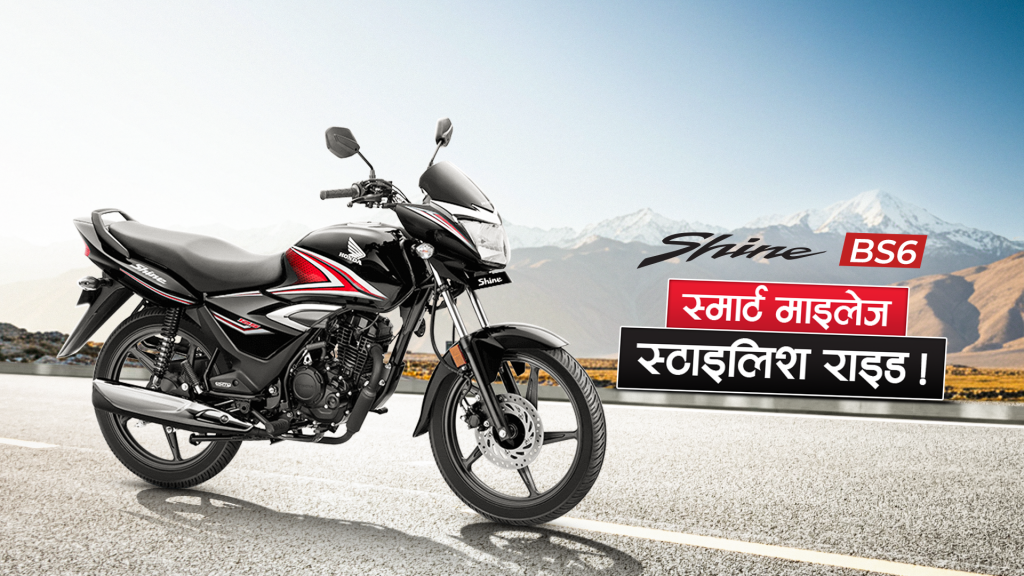
Honda Shine BS6
The Honda Shine has been a staple in the Nepalese automobile market, renowned for its good build quality, comfortable ride, and chassis with high reliability. The BS6 variant is part of this legacy, offering improved performance and better fuel mileage.
- Price in Nepal (2026 updated): The Shine BS6 DRS price is about 2,76,900as of 2026 (approximately). The Shine BS6 DSS is about NPR 2,86,900. Prices may vary slightly depending on the dealership and current offers.
- Engine & Performance: The new Shine BS6 is, strictly speaking, a no-nonsense commuter bike that favours practicality and comfort in equal measures. It is equipped with a classy 123.94cc BS6 engine fitted with a PGM-FI (Programmed Fuel Injection) that provides a smooth transfer of power and fuel consumption.

- Mileage & Fuel Efficienct: Honda Shine BS6 has mass appeal in terms of mileage up to 65 kmpl, depending on the riding conditions and the maintenance employed.
- Key Features: It is equipped with a 5-speed gearbox, CBS (Combi-Brake System) for safety braking, and a telescopic suspension at the front end, making riding comfortable. Although it maintains a conventional analog instrumentation cluster, it receives an engine start/stop switch to increase its convenience.
- Who Should Buy It? Drivers who have average commutes, school-going students, small business entrepreneurs, and anyone who wants a simple, dependable, and economical motorbike that they can use in the city and on specific days on highways.
- Available Models & Colors: Honda Shine BS6 comes in DRS and DSS models, and is available in the color black.
Honda SP 125
Honda SP 125 is a more feature-laden product of the Honda lineup, which targets consumers who want to have a mix of style, features, and technology.
- Price in Nepal (2026 updated): In Nepal, the Honda SP 125 is about NPR 2,91,900 for the DRS model, and 3,01,900 for DSS as of 2026.
- Engine & Performance:
- Mileage & Fuel Efficiency: The Honda SP 125 is competitive in terms of mileage about 65kmpl, slightly higher than the Shine, as it is lighter and has an optimised engine tuning.
- Key features: The Honda SP 125 is more sporty in its build as well as its modern features. It is identical in specifications to the Shine except that it has an all-digital instrument cluster with real-time mileage, average mileage, and distance-to-empty, and a gear position indicator. It also has an LED DC headlamp, a side-stand engine cut-off, and sporty split alloy wheels.
- Who Should Buy It? Young professionals, college students, and riders who prefer a stylish and tech-loaded commuter bike without compromising on fuel efficiency.
- Available Models & Colors: The Honda SP 125 comes in DRR and DSS models. They are available in blue, grey, red, and black colors.
Comparison of the Best Bikes Under 3.5 Lakh in Nepal
| Feature | Honda Shine BS6 | Honda SP 125 |
| Engine | 123.94cc, Air-cooled | 123.94cc, Air-cooled |
| Power Output | 10.57 bhp | 10.72 bhp |
| Torque | 11 Nm | 10.9 Nm |
| Mileage (Claimed) | 65 kmpl | 65 kmpl |
| Fuel Tank Capacity | 10.5 L | 11.2 L |
| Weight | 113 kg | 116 kg |
| Smart Features | Silent Start, 5-speed gearbox | Silent Start, Digital Console, LED Headlamp |
| Design Language | Commuter-focused, traditional | Sporty, modern |
| Price in Nepal (2026) | ~NPR 2,76,900 (DRS), NPR 2,86,900 (DSS) | ~NPR 2,91,900 (SP 125 DRS), NPR 3,01,900 (SP 125 DSS) |
| Ideal for | Daily commute, high mileage | Style-conscious riders, tech lovers |
| USP | Unmatched reliability and mileage | Feature-rich digital console |
Why Honda Bikes Are Perfect for Nepali Roads?
Honda bikes are engineered to handle the unique challenges of Nepali roads, from crowded city traffic to the occasional uneven terrain.
- Excellent Mileage: The fuel-efficient engines help you save money on petrol, which is a major concern for daily commuters.
- Smooth Handling: Their bikes offer easy handling, making them ideal for navigating narrow streets and congested areas.
- Reliable Engine Performance: Honda’s engines are built to last, providing consistent and reliable performance over years of use with minimal issues.
- Low Maintenance with a Wide Service Network: With authorized service centers and spare parts available throughout the country, maintaining your Honda bike is convenient and affordable.
Tips to Maintain Your Honda Bike for Better Performance
To ensure your Honda bike continues to perform at its best, follow these simple maintenance tips:
- Regular Servicing: Get your bike serviced at authorized Honda workshops at the recommended intervals.
- Tyre Pressure: Check and maintain the correct tire pressure for optimal mileage and safety.
- Genuine Parts: Always use genuine Honda spare parts and engine oil to ensure the longevity of your bike.
- Riding Habits: Avoid harsh acceleration, sudden braking, and overloading your bike.
- Chain Lubrication: Regularly clean and lubricate the chain to ensure a smooth ride.
Where to Buy Honda Bikes in Nepal?
Always purchase at official Honda showrooms to get maximum warranty and after-sales services, and to make a real purchase. Honda dealers and showrooms are located in big cities in Nepal, offering the best Honda bikes under 3 lakhs in Nepal with detailed information on price, mileage, and features. You can attend a showroom, have a feel of the bike, ask questions, and take a test ride before making your final decision.
Get Your Honda Bike in Nepal Today – Ride Smart, Ride Affordable
As of 2026, Honda still reigns in the Nepal market of budget bikes with its stable of reliable, stylish, and efficient motorcycles. The Honda Shine 125 BS6, Honda SP 125 have an ideal combination of features that can meet the needs of diverse riders. That time has come to make up your mind to buy. Visit your nearest Honda showroom and book a test ride to discover the right bike that fits your budget and lifestyle.
FAQ related to Bikes Under 3.5 Lakh in Nepal
-
Which is the best Honda bike under 3.5 lakh in Nepal in 2026?
The “best” bike depends on your needs. The Honda Shine BS6 is the best for mileage, while the Honda SP 125 is the best for a tech-savvy rider who wants a modern-looking commuter.
-
Which Honda bike gives the best mileage in Nepal?
The Honda Shine 125 is famous for having the highest mileage in its category, with a fuel efficiency claimed to reach up to 65 kmpl.
-
Is the Honda SP 125 better than Honda Shine BS6?
The SP 125 offers more features like a fully digital console and LED headlamp, making it more appealing to modern riders. The Shine BS6, however, is a more traditional, no-frills bike focused on reliability and comfort. Both are excellent choices depending on your preference.
-
Which Honda bike is best for students in Nepal under 3.5 lakh?
Both the Honda Shine BS6 and Honda SP 125 are great for students. The Shine BS6 is a solid choice for its low running costs, while the SP 125 is perfect for students who want a more stylish and modern bike.
-
Are Honda bikes expensive to maintain in Nepal?
No, Honda bikes are known for their low maintenance costs and the easy availability of genuine spare parts through their wide service network across Nepal.
Top Off-Road Bikes in Nepal (2026): Price, Features, and More
Nepal, with its destination of spectacular mountains and landscapes, serves as an incomparable background to adventure seekers. Its varied terrain, however, consisting of rough paths, mountain passes, and roads that have not been paved, makes it a challenge for ordinary cars. These bikes are made strong, with good suspension and high ground clearance, so they can ride smoothly even on difficult roads.
For those who also want simple everyday rides, you can explore the best 125cc bikes in nepal to compare features, mileage, and prices. Whether you are passing through a village path or going on a long trip, the best off-road bike in Nepal helps you enjoy the true beauty of the Himalayas.
Off-Road Biking Culture in Nepal
Off-road biking used to be for a few enthusiasts but now it’s a vital part of life in Nepal these bikes help people travel carry goods and explore areas where normal vehicles can’t go in many rural communities they are the main way to get around connecting villages and making life easier for those who also want affordable options the best honda bikes under 3 lakhs in Nepal guide shows the top models and compares features and prices off-road bikes are strong reliable and versatile handling rough roads and tough terrain giving people access to places that would otherwise be unreachable
Top Off-Road Bikes in Nepal
In the case of an off-road motorbike in Nepal, Honda is a great option owing to its reputation in terms of reliability and performance. This brand provides its customers with various models suitable both in terms of needs and expenses, even to the most serious adventurers as well as everyday commuters. Have a closer examination of some of the finest off-road bikes that Honda has to offer.
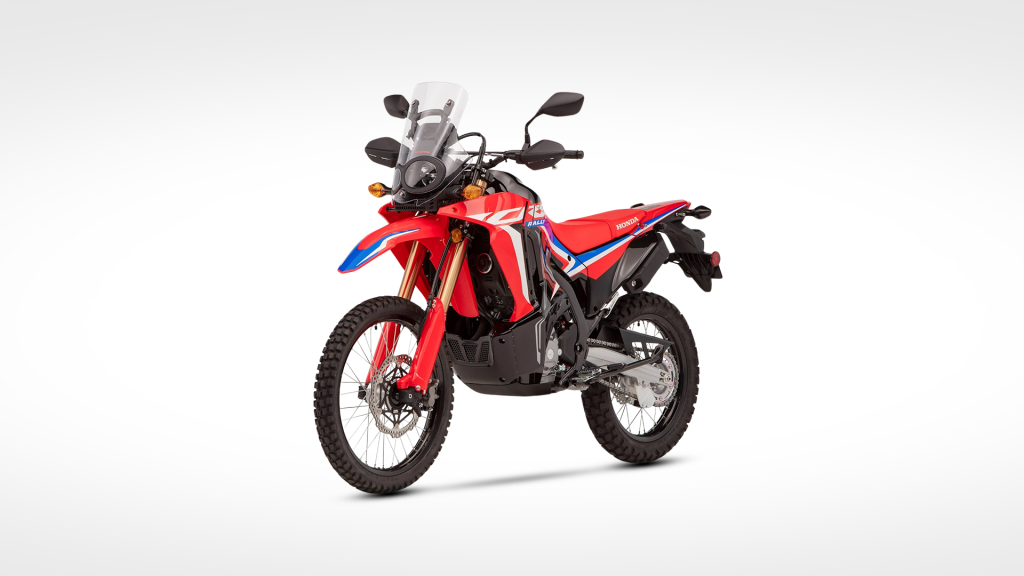
Honda CRF 300 Rally – Built for Serious Adventure
Splendid city-to-country combination with heart-throbbing off-road capabilities and absolute freedom as witnessed through the Honda CRF 300 Rally. It has a rugged chassis, high-end suspension, and a rally-inspired fairing, and the CRF Rally makes for an ideal combination of robustness and good looks. No matter what paths you take, be it off-road to steep mountains, or plain roads through a big city, this dual sport wonder will offer a thrilling experience.
- Price in Nepal: The Honda CRF 300 Rally is priced at approximately NPR 23,50,000.
- Engine & Performance: Powered by a 286cc liquid-cooled, single-cylinder DOHC engine, it delivers a punchy performance with a maximum power of 27.32 PS at 8500 rpm and a peak torque of 26.6 Nm at 6500 rpm.
- Mileage & Fuel Efficiency: With a large 12.8-litre fuel tank and an estimated mileage of around 32.3 km/l (WMTC), it offers a cruising range of over 350 km, making it perfect for long journeys.
- Key Features: Key features include a tall windscreen for wind protection, a comprehensive digital dash with a gear position indicator, LED lighting, and an assist/slipper clutch for easy gear changes. It also boasts a long-travel suspension and switchable ABS for enhanced safety.
- Who should buy it? This is the ideal bike for seasoned riders who want a comfortable and capable machine for long-distance adventure touring and tackling the most challenging off-road trails.
Honda CRF 300L – Versatile and Trail-Ready
Honda CRF 300L is the perfect balance between strength, rigour, and skill on the playing fields of the dual-sport adventure. This two-wheeled wonder is not merely a motorcycle, but an adrenaline-filled experience that is about to happen. The artisanal four-stroke engine has been designed to produce a synergy of power and economy. With the Rocky Mountains and dunes full of sand, Honda will get you through it all.
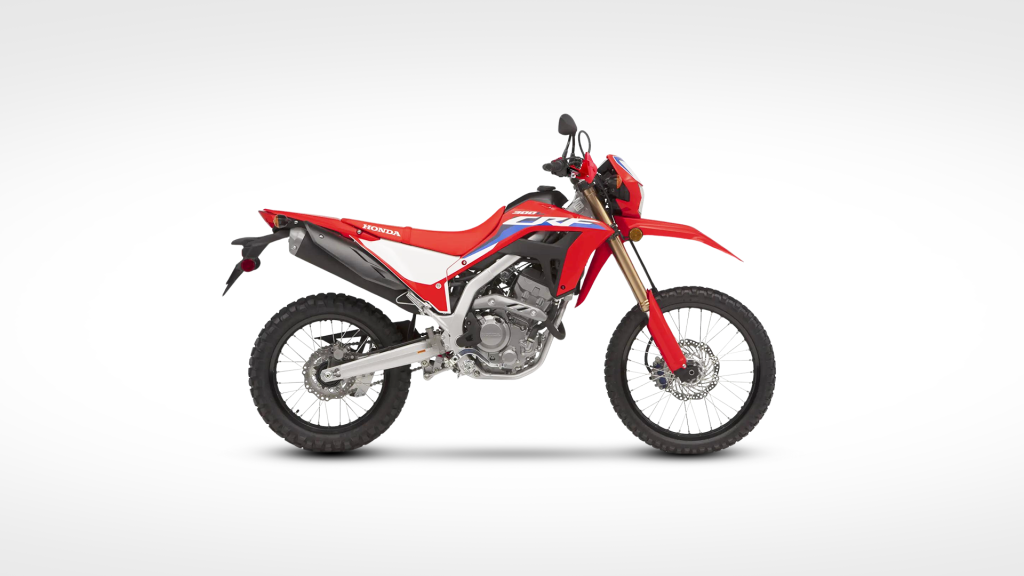
- Price in Nepal: The Honda CRF 300L is priced starting from approximately NPR 20,75,000.
- Engine & Performance: It shares the same 286cc engine as the Rally, providing the same impressive power and torque figures. The lighter curb weight, however, gives it a more agile feel.
- Mileage & Fuel Efficiency: The CRF 300L comes with a 7.8-litre fuel tank and offers excellent fuel efficiency, making it a reliable partner for both city commutes and trail riding.
- Key Features: It features an updated, slimmer body for better rider movement, a digital meter, and a long-travel suspension. Like the Rally, it also has an assist/slipper clutch and switchable ABS on the rear wheel.
- Who should buy it? This bike is perfect for riders who want a balanced machine for daily commuting, city riding, and weekend off-road adventures. It’s also an excellent choice for beginners due to its manageable power and weight.
Honda XR190L – Reliable Beginner-Friendly Off-Roader, and a Proven Choice
Greater adventure, greater ability, the new XR 190LS takes dual sport riding to new levels. It is constructed with an ideal combination of strength, manoeuvrability, fuel efficiency, and increased power thus remaining the traditional XR family. Be it navigating through the city streets or through the most difficult of terrains, there is nothing the XR 190LS can not take. Whether it is your daily commute or an off-road trip, this enhanced machine will challenge you to go a mile further and be untethered.
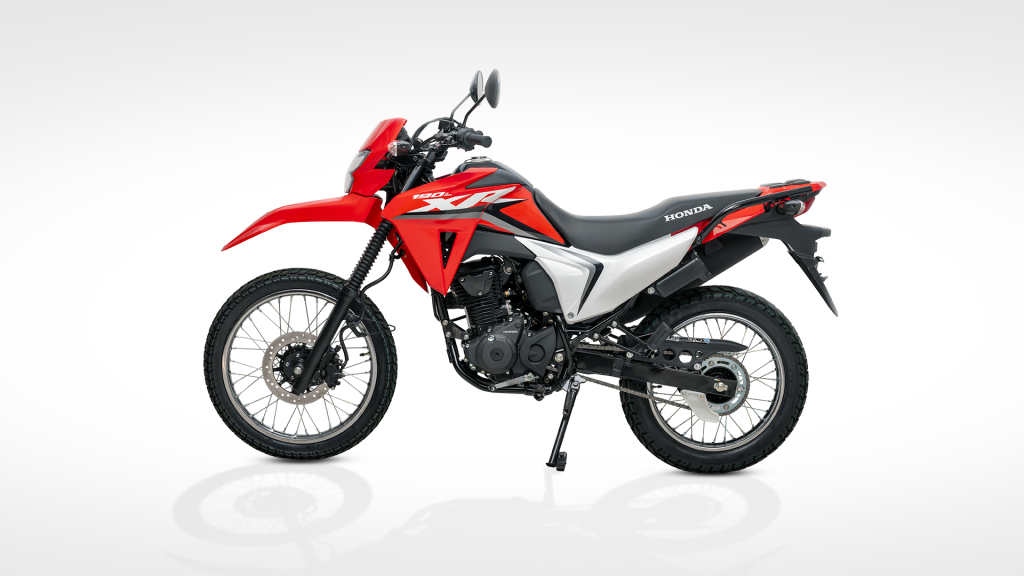
- Price in Nepal: The Honda XR190L is available for approximately NPR 7,98,900.
- Engine & Performance: It is equipped with a 184.4cc air-cooled, single-cylinder SOHC engine that provides a modest yet reliable power output of 15.6 PS at 8500 rpm. The engine is fuel-injected for consistent performance, even in varying conditions.
- Mileage & Fuel Efficiency: Known for its excellent fuel efficiency, the XR190L’s 12-litre tank ensures long rides without frequent refuelling stops.
- Key Features: The bike features a robust steel frame, a wide and comfortable seat, and a heavy-duty rear carry rack, making it ideal for carrying luggage. It has a high ground clearance of 245mm and a simple, reliable kick-start and electric-start system.
- Who should buy it?: This is the best off-road bike for those on a budget who need a reliable and low-maintenance vehicle for rural commuting, farm work, and light trail riding.
Comparison Table: Choose The Best One
| Model | Engine | Mileage | Key Features | Price (NPR) |
| CRF 300 Rally | 286cc, liquid-cooled | ~32.3 km/l | Tall windscreen, LED lighting, assist/slipper clutch, switchable ABS | ~23,50,000 |
| CRF 300L | 286cc, liquid-cooled | Excellent | Lightweight chassis, assist/slipper clutch, switchable ABS | ~20,75,000 |
| XR190L | 184.4cc, air-cooled | Excellent | Heavy-duty carrier, high ground clearance, electric, and kick start | ~7,98,900 |
Which Off-Road Bike Is Best for You?
The type of ride that you are into and what suits you best will determine which type of off-road bike you choose in Nepal.
- Hardcore Adventure: If you have plans involving multi-day trips, long-distance touring, and desire a bike that will tackle anything and everything thrown at it, then the Honda CRF 300 Rally is the ultimate. The capabilities offered by its long-range and design are really inspired.
- Balanced city and off-road: In case you require a bike that can be comfortably ridden in the city as well as off-road terrains, your best companion will be the Honda CRF 300L. It is lightweight and has a strong motor and making it a versatile ride that accompanies any kind of ride. It is considered to be the ideal off-road bike in Nepal among the majority of riders.
- Utility in rural roads: To individuals who require an affordable, long-lasting, reliable workhorse capable of commuting daily through rough roads, the Honda XR190L is the most suitable one. It is a smart investment since it is dependable and not expensive to run.
Features to Look for in a Good Off-Road Bike
When looking for the best off-road bike in Nepal, certain features are non-negotiable for tackling the country’s difficult terrain. These include:
- High ground clearance: This is crucial for clearing rocks, bumps, and other obstacles on uneven roads.
- Strong suspension: A high-quality suspension system absorbs shocks, providing a comfortable ride and better control on rough terrain.
- Lightweight body: A lighter bike is easier to maneuver and control, especially when navigating tight trails or picking it up after a fall.
- Wide handlebars: These offer better leverage and control, which is essential for steering through difficult sections.
- Durable tires: Off-road tires with an aggressive tread pattern provide the necessary grip on mud, loose gravel, and sand.
It’s worth noting that all the Honda off-road bikes mentioned above are equipped with these essential features, making them highly capable for Nepali roads.
Why Choose Honda for Off-Road Adventures?
Choosing a Honda for your off-road adventures is a decision built on trust and a proven track record. The brand’s bikes offer a combination of features that make them a favourite among Nepali riders.
- Brand reliability: Honda is synonymous with reliability. Its bikes are built to last and can withstand the harsh conditions of Nepal’s roads.
- Rugged build quality: From the frame to the engine, Honda bikes are constructed with high-quality materials and engineering that prioritise durability.
- Fuel efficiency: With rising fuel costs, the fuel-efficient nature of Honda off-road bikes is a significant advantage, reducing both running costs and the need for frequent stops.
- Wide service availability in Nepal: As a well-established brand, Honda has a vast network of authorised service centres and spare parts dealers across Nepal, ensuring easy maintenance and repairs.
- Honda off-road bike price in Nepal: Honda offers a range of models at different price points, providing options for every budget without compromising on quality.
Where to Buy Honda Off-Road Bikes in Nepal
Authorised Honda showrooms and dealerships across Nepal also sell Honda off-road bikes (such as the CRF and XR series). These showrooms give you the opportunity to actually view and feel the bikes, do a test ride, and discuss something with a salesperson. You can always refer to the official Honda Nepal website or local dealers to view the prices at the most current prices and to bring in a test ride. This will assist you in getting the exact price in Nepal of the off-road bike you intend to take.
Conclusion – Ride Bold, Ride Honda
The rugged and varied topography in Nepal requires an up-to-task motorcycle. With the combination of performance, reliability, and value, Honda’s off-road bikes will be an exceptional option to any rider who would like to visit the secrets of the country. Deciding to take on the adventurous CRF 300 Rally, the quite capable CRF 300L, or the more than capable XR190L is one thing you can be confident about because you are getting a machine that was designed for the ride.
Contact us or visit our showrooms to pick your choice of off-road bikes. Live the freedom and plunge into the adventure of an off-road trip by starting with Honda, the ultimate off-road bike in Nepal, whether you are an amateur or a professional!
FAQ Section
-
What is the price of the Honda CRF 300 Rally in Nepal?
The Honda CRF 300 Rally is priced at approximately NPR 23,75,000.
-
Is the XR190L good for beginners?
Yes, the XR190L is considered an excellent bike for beginners due to its manageable power, lightweight build, and versatile on- and off-road capabilities.
-
How fuel-efficient is the XR190L?
The Honda XR190L is highly fuel-efficient, with a 12-litre fuel tank that allows for extended riding distances on a single tank.
-
Which Honda off-road bike is best for long-distance rides?
For long-distance rides and adventure touring, the Honda CRF 300 Rally is the best choice due to its larger fuel tank, windscreen, and comfortable ergonomics.
-
What is the best Honda off-road bike in Nepal?
The “best” bike depends on your needs. The CRF 300 Rally is best for hardcore adventures, the CRF 300L is best for a mix of city and trail riding, and the XR190L is best for utility and budget-friendly use.
-
Are Honda off-road bikes fuel-efficient?
Yes, Honda off-road bikes are known for their fuel efficiency, which is a significant advantage for both daily commutes and long-distance travel in Nepal.
-
Where can I test ride a Honda off-road bike in Nepal?
You can test ride a Honda off-road bike by visiting any authorised Honda showroom or dealership across Nepal.
-
Is financing available for Honda off-road bikes in Nepal?
Yes, financing options are typically available through authorised Honda dealers and their partner financial institutions, with various down payment and EMI plans.
-
How often should I service my Honda off-road bike?
Honda recommends periodic servicing based on the number of kilometres or days, whichever comes first. The first few services are usually free, with subsequent paid services.
Redefining Possibilities on Honda Dio 125
Redefining Possibilities on Honda Dio 125: Honda Dio 125 Reaches 5,300m Jyangla Pass in Upper Dolpa
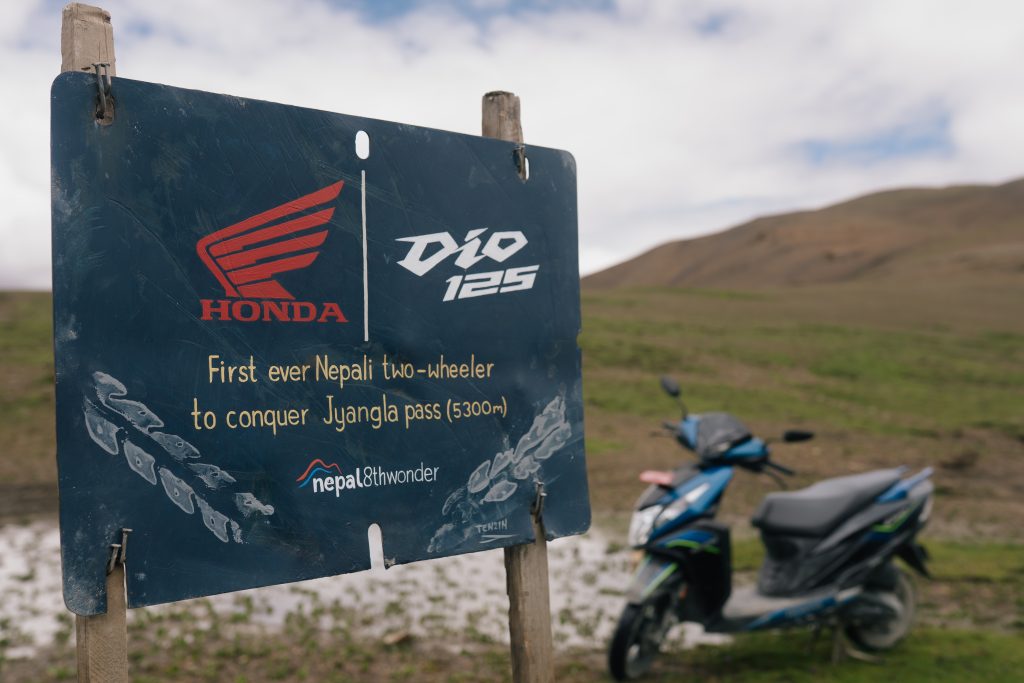
Pushing the limits of scooter performance, the Honda Dio 125 has reached the challenging heights of Jyangla Pass, soaring 5,300 meters above sea level in Nepal’s remote Upper Dolpa.
What makes this journey extraordinary is that the Dio 125, typically built for city streets, was the vehicle of choice for this high-altitude adventure. The expedition was led by the Nepal 8th Wonder team in partnership with Honda Nepal, marking a bold new chapter in Nepal’s two-wheeler travel history.
Though built for urban roads, the scooter defied expectations by tackling Nepal’s rugged Himalayan trails with impressive agility and strength.
The expedition kicked off in Kathmandu and carved its way through Jomsom (2743m), Tsuksamba (3770m), Dho Tarap (4130m), and Bherol (4790m), before reaching the formidable Jyangla Pass (5300m).
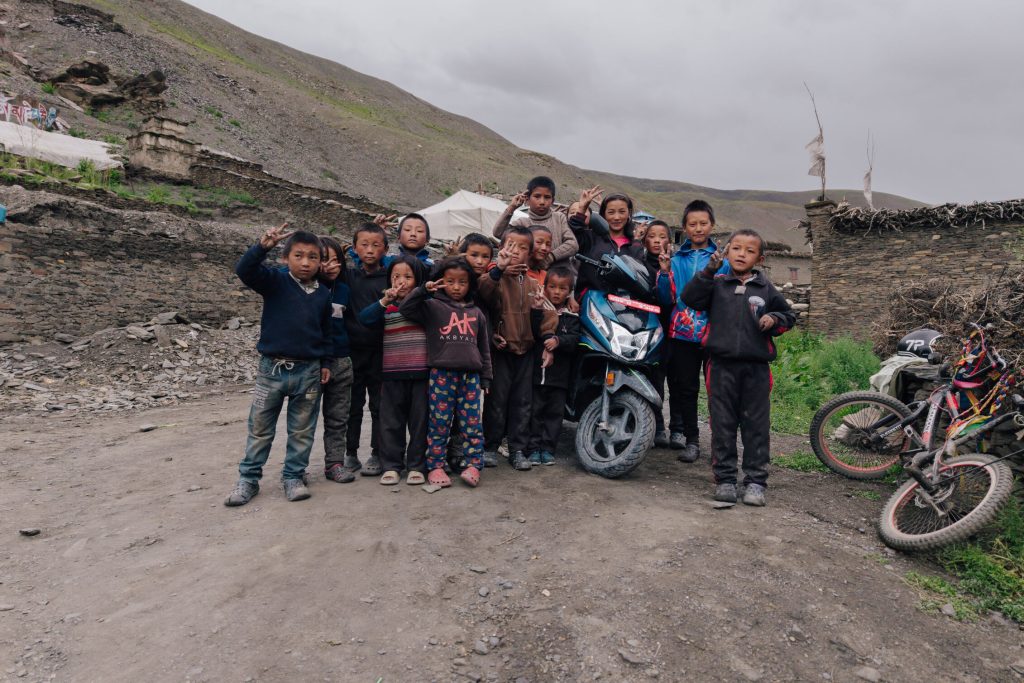
Along the way, the team encountered steep climbs, rocky paths, river crossings, and desolate high-altitude stretches all under harsh, low-oxygen conditions. Yet, the Honda Dio 125 rose to the challenge, completing the journey without any major mechanical setbacks, standing as a true testament to its rugged reliability and adaptability beyond the city streets.
The remarkable performance of the Dio 125 during this high-altitude expedition can be credited to its advanced features.
Powered by a refined 123.92cc BS6-compliant engine with Honda’s PGM-Fuel Injection, the scooter is equipped with Enhanced Smart Power (eSP), ACG silent start, an idling stop system, and Combined Braking System (CBS), all of which played a crucial role in maintaining efficiency and control throughout the journey.
Features like telescopic front suspension, a 3-step adjustable rear suspension, a fully digital meter, built-in USB charging port, and spacious under-seat storage enhanced rider comfort and practicality, proving that the Dio 125 is far more capable than its city-scooter label suggests.
For the Nepal 8th Wonder team, this expedition was more than just a test of engineering; it was a statement of possibility and pushing the limits.
They emphasized that with determination, teamwork, and a dependable machine, even the most distant goals can be reached. Declaring the Honda Dio 125 a “mission-accomplished” ride, the team redefined it not just as a city-commuter, but as a symbol of pushing limits and surpassing expectations.
Syakar Trading Company Pvt. Ltd., Honda’s official distributor in Nepal for over 57 years, hails the accomplishment as a remarkable fusion of Nepal’s challenging landscapes, the spirit of exploration, and the enduring reliability of Honda engineering.
At Honda Nepal, we remain committed to delivering high-quality two-wheelers that are purpose-built to meet the diverse terrain, climatic challenges, and evolving mobility needs of riders across Nepal.
Best Mileage Scooters in Nepal 2026
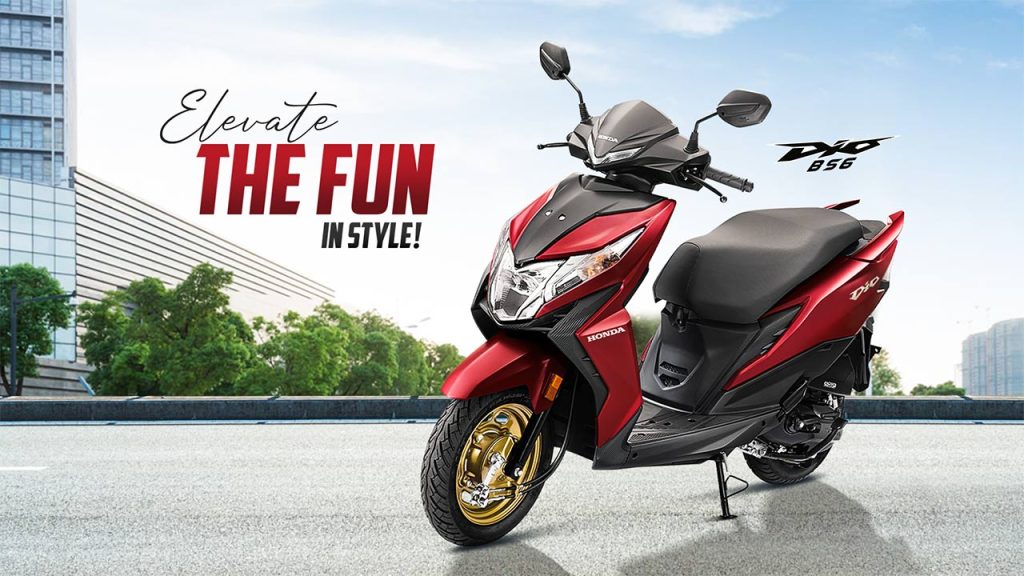
As fuel prices continue to rise and city traffic becomes increasingly congested, fuel efficiency has become the most pressing issue on the agenda of Nepali commuters in 2026. Each rupee saved on petrol will be translated into a cheaper daily commute. There is a lot of variety in terms of choice; however, we at Honda have been known to offer some of the best-performing bikes in Nepal, from scooters to the best bikes under 3 lakhs in Nepal, especially on the bumpy and varied roads that prevail in Nepal. This article explores why our Honda scooters have an edge and points out the best of the best among the mileage-conscious riders.
Why Fuel Efficiency Matters in Nepal?
The high demand for fuel-efficient scooters in Nepal is driven by a number of important factors. Increasing petrol costs, which at this moment are costing NPR 160.08 on average per litre of petrol in Kathmandu as of July 2025, considerably affect the bank account of a commuter. Combined with traffic jams that are becoming worse in urban areas where halting-and-going situations can eat up a lot of fuel, the high-mileage scooters are becoming priceless. In addition, the scooters offer a cheaper and more comfortable means of commuting to most Nepali riders compared to motorbikes, particularly when passing through the busy cityscapes. They are easy to deal with, have automatic transmission, and are often cheaper to start with, and when coupled with great fuel efficiency, it makes it even more enticing.
Factors That Affect Scooter Mileage
Several factors influence a scooter’s mileage, and understanding these can help riders maximize their fuel economy:
- Traffic Conditions: Frequent stops and starts in heavy traffic significantly reduce mileage compared to riding on open roads at a consistent speed.
- Terrain: Riding uphill or on rough, unpaved roads requires more engine power and, consequently, more fuel. Nepal’s varied terrain, from flat plains to hilly regions, can greatly impact real-world mileage.
- Engine Type: The engine’s displacement (CC) and its underlying technology (e.g., fuel injection vs. carburettor) play a crucial role. Generally, smaller engines tend to be more fuel-efficient.
- Maintenance: Regular servicing, keeping the engine tuned, and ensuring proper lubrication are vital. A well-maintained scooter runs more efficiently.
- Riding Style: Aggressive acceleration, sudden braking, and high speeds consume more fuel. A smooth, consistent riding style is key to maximizing mileage.
- Tyre Pressure: Under-inflated tyres increase rolling resistance, forcing the engine to work harder and thus reducing mileage.
- Load: Carrying heavy loads or a pillion rider consistently will put more strain on the engine and decrease fuel efficiency.
Two of the Best Mileage Scooters In Nepal for 2026
When it comes to fuel efficiency combined with reliability and features, two Honda models consistently rise to the top for the Nepali market: the Honda Dio 125 and the Honda Dio BS6.
Honda Dio 125
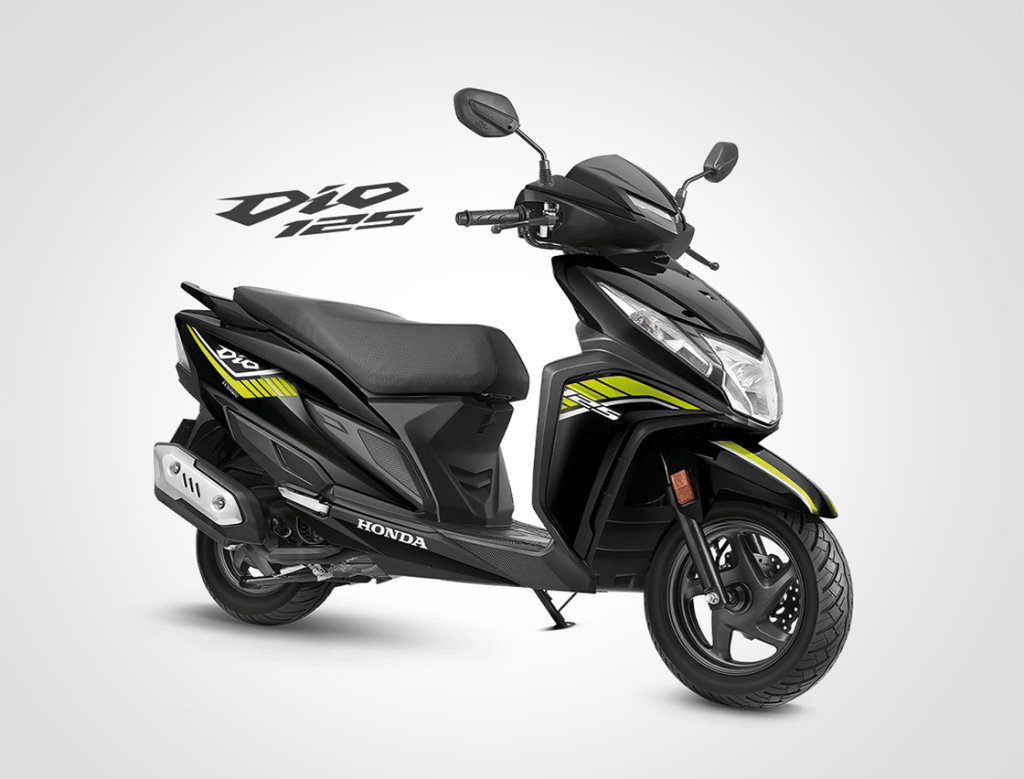
The Honda Dio 125 offers a blend of performance and fuel efficiency, appealing to riders seeking a bit more power without compromising on economy.
- Price in Nepal (2026): The Honda Dio 125 Standard edition is priced around NPR 3,03,900, while the Deluxe variant is approximately NPR 3,23,900.
- Engine & Performance: Engine of 123.92 cc, 4-stroke, SI with PGM-Fuel Injection, gives a max net power of 6.09KW at the rate of 6250 RPM and a torque of 10.4 Nm at the rate of 5000 RPM, respectively. This is a nice compromise between everyday trips in the city and weekend rides.
- Mileage & Fuel Efficiency: The claimed mileage for the Honda Dio 125 is around 48 kmpl.
- Key Features: It is fully digital, features real-time mileage, smart key with keyless entry (Deluxe edition), LED headlight, telescopic front suspension and a combined functional braking system (CBS) to make it all the more safe. It also has a convenient front glove compartment as well as 18 litres of under-seat space.
- Who should buy it? Ideal for urban commuters and young riders who desire a stylish scooter with good power for quick overtakes and moderate highway rides, alongside respectable fuel efficiency.
- Models available: Standard and Deluxe (H-Smart).
- Colours available: Blue (Pearl Siren Blue), Red (Sport Red), Grey (Pearl Deep Ground Grey), Grey Metallic (Matte Axis Grey Metallic), Black (Pearl Nightstar Black), and Blue Metallic (Matte Marvel Blue Metallic).
Honda Dio BS6
The Honda Dio BS6 is a popular choice for its sporty looks, reliable performance, and exceptional fuel economy, making it a commuter favourite.
- Price in Nepal (2026): The Honda Dio BS6-STD variant is priced around NPR 2,59,900, and the DLX variant is approximately NPR 2,69,900.
- Engine & Performance: It features a 109.51 cc, 4-stroke, SI engine with PGM-FI, generating 5.78KW at 8000 RPM and 9.03 N · m of torque at 5250 RPM. It’s built for smooth city performance.
- Mileage & Fuel Efficiency: The Honda Dio BS6 offers an impressive claimed mileage of around 50-55 kmpl, making it one of the most fuel-efficient scooters in its class.
- Key Features: The DLX variant comes with a digital instrument cluster. Both variants feature an LED headlight, a telescopic front suspension and a Combi-Brake System (CBS). It also includes an Idling Stop System (ISS) for further fuel savings in traffic.
- Who should buy it?: Best suited for daily city commuters, students, and budget-conscious buyers who prioritize maximum fuel efficiency and low maintenance costs. Its agile nature makes it perfect for navigating congested urban streets.
- Models available: STD and DLX.
- Colours available: Matte Dark Blue, Mat Axis Grey Metallic, Dazzle Yellow Metallic, Matte Sangria Red Metallic & Silver.
Comparing Honda Dio 125 vs Honda Dio BS6
To help you decide which scooter suits you best, here’s a comparison:
| Feature | Honda Dio 125 | Honda Dio BS6 |
| Engine | 123.92 cc, 4-stroke, SI Engine, PGM-FI | 109.51 cc, 4-stroke, SI Engine, PGM-FI |
| Power Output | 8.30 PS @ 6250 rpm 6.09KW @ 6250 RPM | 7.65 bhp @ 8000 rpm 5.78KW @ 8000 RPM |
| Torque | 10.5 Nm @ 5000 rpm 10.4NM @ 5000 RPM | 9 Nm @ 4750 rpm 9.03NM @ 5250 RPM |
| Mileage (Claimed) | 48 kmpl | 50-55 kmpl |
| Mileage (Real-world) | Around 45-50 kmpl (varies with conditions) | Around 48-52 kmpl (varies with conditions) |
| Fuel Tank Capacity | 5.3 Liters | 5.3 Liters |
| Weight | 104 kg (Kerb Weight) | 106 103 kg (Kerb Weight) |
| Smart Features | Digital Console, Smart Key (DLX), ISS (Idling Stop System), Side Stand Engine Cut-Off | Digital console (DLX), Side Stand Engine Cut-Off (DLX) Idling Stop System (ISS) |
| Design Language | Sharper, more aggressive and modern; inspired by Grazia | Sporty, youthful, sleek |
| Price in Nepal (2026) | Std: NPR 3,03,900; DLX: NPR 3,23,900 | Std: NPR 2,59,900; DLX: NPR 2,69,900 |
| Ideal for | Riders seeking a balance of power and efficiency, more spirited riding with stylish looks. | Daily commuters, budget-conscious riders prioritizing maximum mileage |
| USP | Stronger performance with smart key features | Exceptional fuel efficiency, classic sporty appeal |
If you’re still exploring your options beyond just mileage, don’t miss our complete roundup of the best scooters in Nepal based on performance, features, and price.
What Makes Honda Scooters Ideal for Mileage-Conscious Riders?
Honda’s dominance in the best mileage scooter in the Nepal segment isn’t just a coincidence. It’s a result of their commitment to innovative technology and a legacy of reliability:
- Honda’s Smart Technology:
- eSP (Enhanced Smart Power): This suite of technologies minimizes friction, optimizes combustion, and integrates an ACG starter for silent starts and smoother performance, all contributing to better fuel economy.
- PGM-FI (Programmed Fuel Injection): Honda’s PGM-FI system ensures precise fuel delivery to the engine based on various sensor inputs (like throttle position, engine temperature, etc.). This electronic control optimizes combustion, leading to improved fuel efficiency and reduced emissions.
- CBS (Combi Brake System): While primarily a safety feature, CBS ensures efficient braking, which indirectly contributes to smoother rides and less abrupt acceleration, thus saving fuel.
- Brand’s Legacy in Reliability: Honda has built a strong reputation for producing highly reliable and durable vehicles. Their engines are known for longevity and consistent performance, meaning less frequent breakdowns and more consistent fuel efficiency over time.
- Optimal Engine Tuning: Honda’s engines are meticulously tuned to deliver a balance of power and fuel economy, making them ideal for the stop-and-go traffic and varied terrain of Nepal.
- Widespread Service Network: With a vast network of authorized service centers across Nepal, Honda owners have easy access to genuine parts and expert maintenance, which is crucial for maintaining optimal mileage.
If you’re planning to buy one, check out the available Honda Dio BS6 finance options to explore EMI plans, interest rates, and down payment choices that suit your budget.
Tips to Maximize Scooter Mileage
Even the best mileage scooters can become fuel guzzlers without proper care and riding habits. Here are some practical tips to maximize the mileage of your Honda scooter:
- Maintain Correct Tyre Pressure: Always ensure your tyres are inflated to the manufacturer’s recommended pressure. Under-inflated tyres increase rolling resistance and reduce mileage.
- Regular Servicing: Adhere to the recommended service schedule. Regular oil changes, air filter cleaning/replacement, and engine tuning ensure the scooter runs at its peak efficiency.
- Gentle Throttle Use: Avoid aggressive acceleration and sudden braking. Smooth, gradual acceleration and anticipating stops will significantly improve fuel economy.
- Using Honda Genuine Parts: Always opt for genuine Honda spare parts during maintenance. These parts are designed to work optimally with your scooter, ensuring better performance and mileage.
- Ride at Optimal Speed: Maintaining a consistent, moderate speed is more fuel-efficient than constantly varying your speed or riding at very high speeds.
- Avoid Idling for Long Periods: If you’re going to be stopped for more than 30 seconds, it’s generally more fuel-efficient to turn off the engine. The Honda Dio BS6’s Idling Stop System does this automatically.
- Lighten the Load: Avoid carrying unnecessary weight. The heavier the load, the more fuel the engine consumes.
- Combine Errands: Plan your trips to combine multiple errands into one journey, reducing the number of cold starts and short trips, which are less fuel-efficient.
Where to Buy The Best Mileage Honda Scooters in Nepal?
You may visit the nearest authorized Honda Showrooms across Nepal to experience the fuel efficiency and reliability of Honda scooters. Honda motorcycles and scooters in Nepal are distributed by Syakar Trading Company Pvt. Ltd. (STC), which has its showrooms in leading cities such as Kathmandu (Battisputali, Kumaripati, Putalisadak, Gairidhara, Kupondole, Teku, Kantipath, Thali), Bhaktapur, Lalitpur, Chitwan, Hetauda, Birgunj, Dharan, Jhapa, Pokhara, Butwal, Bhairahwa, Dang, and many other places around the country. To get the detailed list of showrooms along with contact details, one can refer to the official Honda Nepal website to locate the closest dealer in his/her area.
Get Your Honda Scooter in Nepal Today – Save Fuel, Ride Smart
Irrespective of browsing, visit Get Your Honda Scooter in Nepal Today – Save Fuel, Ride Smart, and find out!
To sum everything up, Nepali commuters who have to struggle with an increase in fuel prices and to survive difficult traffic conditions, it is a brilliant choice to invest in a good scooter that is fuel-efficient. With its commitment towards the use of sophisticated technology such as eSP and PGM-FI, and its long-standing reputation of being the most reliable scooter manufacturer, Honda has been able to produce some of the best mileage scooters in Nepal.
Scooters such as the Honda Dio 125 and Honda Dio BS6 have impressive fuel economy without any cost-cutting on performance and other features. Smart riding habits and maintenance will also increase the mileage of your scooter, and an economical daily commute is sure to be enjoyable. There is no reason to wait and adopt smarter and efficient commuting.
Thinking beyond mileage? Browse the best 125 cc bikes in Nepal guide.
Frequently Asked Questions
-
What is the best mileage scooter in Nepal right now?
Based on claimed mileage, the Honda Dio BS6 is considered one of the best mileage scooters in Nepal, offering around 50-55 kmpl.
-
Which Honda scooter gives the best fuel efficiency?
The Honda Dio BS6 (110cc) generally offers the best fuel efficiency among Honda scooters available in Nepal due to its smaller engine and advanced PGM-Fuel Injection technology.
-
How can I increase the mileage of my Honda scooter?
One may maximize the motorycle mileage of the Honda scooter by ensuring that the tyre pressure is right, proper servicing is carried out, throttle is applied with care, no aggressive use of torture on the brakes as well as the accelerator, and also minimum weight on the vehicle and it should not obstruct and get stagnated in a certain rule in a particular idle position.
-
Is the Honda Dio 125 better than the Dio BS6 for fuel economy?
No, the Honda Dio BS6 (110cc) usually has better fuel economy compared to the Honda Dio 125. The Dio BS6 is a smaller motor that is tuned to be as efficient as possible, and the Dio 125 is a balance between the power output to fuel economy.
-
Are Honda scooters expensive to maintain in Nepal?
In Nepal, Honda scooters have a good reputation for being reliable products with only a fair amount of maintenance costs. They have extensive coverage of service points in addition to genuine parts, making their care cheap.
Best 125cc Bikes in Nepal 2026: Compare Features, Mileage & Prices

With its busy city streets and rural twisting village paths, Nepal has experienced a boom in the demand for 125cc motorcycles. These two-wheelers have a fantastic performance-cost ratio and, most importantly, fuel consumption, which is the most important consideration for Nepali motorbike riders. Here we have the article about the top 125cc bikes in Nepal in 2026 with detailed information about the features, mileage, and prices of the 125cc bikes in Nepal, so that you can decide on the best 125cc bike in Nepal suitable for your needs. Whether you’re an everyday commuter or a once-in-a-blue-moon long-distance rider, the most suitable motorbike in the 125cc category can be a top-notch solution in Nepal.
Why 125cc Bikes Are the Smart Choice in 2026
The reason why the 125cc segment remains popular among Nepali riders is that it has a number of convincing facts. They are popular because of a combination of functional benefits that address the varying riding conditions in the country.
Ideal for City Commuting and Occasional Long Rides
The 125cc-powered motorcycles provide the combination of agility and power to run through the city traffic jams, but at the same time, they can be used in highway cruising when some extra distance needs to be covered. They are also small and hence easy to navigate in the traffic a major value addition to the urban land mass of Nepal.
Better Mileage Compared to Higher CC Bikes
The main attraction of 125cc bikes is that they have good fuel economy. These are designed to deliver a well-maintained 125cc bike with excellent mileage, which is very economical in day-to-day use, particularly at variable fuel prices. This emphasis on fuel economy is one of the important criteria to decide the best mileage 125cc bike.
Affordable Maintenance and Good Resale Value
The 125cc motorcycles are normally cheaper in maintenance than other, bigger bikes. It has readily accessible and relatively cheap spare parts, and hence reduced ownership costs. Moreover, the 125cc bikes are likely to retain their resale value in the Nepalese market, given that they always have demand.
Well-suited for Both Beginners and Experienced Riders
The low capacity of power and the light weight of 125cc bikes help them fit in perfectly, even as a novice moves along to develop their skills. Meanwhile, professional riders find them convenient, efficient, and practical to carry out daily commutes.
Eco-friendly and Compliant with Evolving Emission Norms
As consciousness about the environment rises, 125cc motorbikes, particularly BS6 motorcycles, have low emissions, helping create a cleaner environment. This is in line with the fact that Nepal has moved towards more environmentally friendly modes of transport.
Top 125cc Motorcycles in Nepal (2026 Edition)
Regarding the 125cc market in Nepal, Honda has always led the market with very reliable and economical models. So, let us review two of their best-selling models: the Honda Shine BS6 and the Honda SP 125.
Honda Shine BS6

Honda Shine has been synonymous with the Nepal automobile market, which enjoys a good build quality, a comfortable ride, and its chassis and high reliability. The BS6 variant is a part of this legacy that performs better and gives better fuel mileage.
- Overview and features of interest: The new Shine BS6 is, strictly speaking, a no-nonsense commuter bike that favors practicality and comfort in equal measures. It is equipped with a classy 123.94cc BS6 engine fitted with a PGM-FI (Programmed Fuel Injection) that provides a smooth transfer of power and fuel consumption. It is equipped with a 5-speed gearbox, CBS (Combi-Brake System) for safety braking, and a telescopic suspension at the front end, making riding comfortable. Although it maintains a somewhat conventional analog instrumentation cluster, it receives an engine start/stop switch to increase its convenience.
- Mileage (real world and company-claimed): Honda Shine BS6 has mass appeal in terms of mileage. Whereas actual mileage maybe 55-60 kmpl, of which the company-claimed numbers may be up to 65 kmpl, depending on the riding conditions and the maintenance employed.
- Price in Nepal (2026 updated): The Honda 125cc bicycle price in Nepal as of 2026 (approximately) is about NPR 2,86,900. The prices could differ a bit depending on dealerships and current offers.
- Pros: Excellent mileage, highly reliable engine, comfortable ride quality, low maintenance costs, good resale value.
- Cons: Basic features compared to some rivals, traditional styling might not appeal to all, no fully digital console.
- Optimal Target Rider: Drivers who have average commutes, school-going students, small business entrepreneurs, and anyone who wants a simple, dependable, and economical motorbike that they can use in the city and on specific days on highways.
Honda SP 125

Honda SP 125 is a more feature-laden product in the 125cc category of Honda, which targets consumers who want to have a mix of style, features, and technology.
- Overview and key features: The Honda SP 125 is more sporty in its build as well as its modern features. It is identical in specifications to the Shine except that it has an all-digital instrument cluster with real-time mileage, average mileage, and distance-to-empty, and a gear position indicator. It also has an LED DC headlamp, a side-stand engine cut-off, and sporty split alloy wheels.
- Mileage (mention real-world and company-claimed): The Honda SP 125 is competitive in terms of mileage. The mileage that the actual company claims is about 65kmpl; the actual mileage may be lower, to 58-62kmpl, which is slightly higher than the Shine, as it is lighter and has an optimised engine tuning.
- Price in Nepal (2026 updated): In Nepal, the Honda SP 125 is about NPR 2,89,900, and the DSS (Disc-Disc) as of 2026.
- Pros: Sporty and modern design, feature-rich digital console, LED headlamp, excellent refinement, and good mileage.
- Cons: Slightly higher price point, a design might be too aggressive for some traditional commuter bike enthusiasts.
- Ideal Rider Segment: Young professionals, college students, and riders who prefer a stylish and tech-loaded commuter bike without compromising on fuel efficiency.

Comparison Table: Shine BS6 vs SP 125
Here’s a side-by-side comparison of the two leading Honda 125cc bikes in Nepal:
| Feature/Spec | Honda Shine BS6 | Honda SP 125 |
| Category | Commuter | Premium Commuter |
| Price in Nepal | Approx. NPR 2,86,900 | Approx. NPR 2,89,900 |
| Engine | 123.94cc, Air-cooled, SI Engine, PGM-FI | 123.94cc, Air-cooled, SI Engine, PGM-FI |
| Max Power | 10.57 bhp @ 7500 rpm | 10.87 bhp @ 7500 rpm |
| Max Torque | 11 Nm @ 6000 rpm | 10.9 Nm @ 6000 rpm |
| Mileage (Real-world) | 55-60 kmpl | 58-62 kmpl |
| Gearbox | 5-Speed | 5-Speed |
| Brakes | Front: Disc 240mm/Drum 130mm, Rear: Drum 130mm (CBS) | Front: Disc 240mm/Drum 130mm, Rear: Drum 130mm (CBS) |
| Features | Analog meter, Engine start/stop switch | Fully digital meter, LED headlamp, Side-stand engine cut-off, Eco indicator |
| Styling | Classic commuter, subtle graphics | Sporty, sharp, edgy graphics |
| Comfort | Plush seat, comfortable ergonomics | Comfortable ride, slightly sportier stance |
| Weight (Kerb) | 113 kg | 116 kg |
| Fuel Tank Capacity | 10.5 liters | 11.2 liters |
| Best For | Reliability, basic commuting, traditional design | Style, modern features, slightly better performance |
Why These Bikes Lead the 125cc Segment in Nepal
Honda Shine BS6 and SP 125 lead in occupying the 125cc segment in Nepal, which is not merely an accident but rather due to several strategy-oriented advantages that Honda enjoys in the country. These 125cc motorbikes have always provided a point of reference to other manufacturers.
- Brand trust (Honda’s presence in Nepal): Honda has an infallible reputation due to its reliability and quality that can be traced over the decades in Nepal. Such a high brand trust also means increasing consumer confidence in Honda bikes, hence most people prefer them.
- Dealer/service availability: Syakar Trading Company, the authorized dealer of Honda in Nepal, has a very wide network of dealerships and service centres rooted throughout the country. This availability promotes ready accessibility to genuine spare parts, service, and maintenance by the owners, and this is one of the greatest conveniences for riders in various regions.
- Value: There is also excellent value to be obtained with a Honda 125cc product, with a long lifespan and low running cost, not forgetting the good resale value makes it not the cheapest on the market. The costs of purchasing it are worth it since ownership is pleasant.
- Fuel efficiency and Reliability: The fabulous ability to conserve fuel, combined with the reputation of the Honda engine as a reliable one, makes this a first-rate combination. Bike riders are assured of reasonable performance and a cheap fuel bill, which is a major aspect in Nepal.
- Proven Technology and Refinement: The engines produced by Honda are known to be smooth and do not cause much vibration. The improved technologies that have been applied to these bike engines, which are the BS6 engine, include PGM-FI and eSP (enhanced Smart Power), which serve to improve the performance and efficiency of these engines.
Final Verdict: Which One Should You Choose?
Honda Shine BS6 vs. Honda SP 125. First of all, the choice between the two models, considered here, mainly depends on your personal requirements, tastes, and finances. Both are great choices among the best mileage bikes of 125cc and good contenders to be the best motorcycle in Nepal in their category; however, they are slightly aimed at different kinds of riders.
Choose the Honda Shine BS6 if:
- What is of top priority to you is the highest fuel efficiency and reliability.
- You would like a less fussy, more retro-feeling design.
- You have a bit tighter budget, and you want to find the most economical one.
- You require a utilitarian stalwart that can be used daily as a commuting vehicle.
- You are a new rider in need of a motorcycle that can be forgiving and easy to manage.
Choose the Honda SP 125 if:
- You desire a contemporary and attractive 125cc bike with a more sporty image.
- Advanced features such as a fully digital instrument cluster and LED headlamp are other things that you love.
- You are ready to pay the minor price increase to get more pampered aesthetics and technology.
- You want a smooth engine with sharp performance both in the city and every now and then on the highway.
Finally, both bikes have Honda’s reliability and good fuel economy. It is strongly advisable to test-ride both models in a Honda showroom to get a feel of the difference and settle on the one that best suits your riding expectations and style.
Essential Maintenance Tips for 125cc Bikes for Nepali Roads
Maintaining your 125cc bike properly is crucial, especially given the varied and often challenging road conditions in Nepal. Regular maintenance not only extends the lifespan of your bike but also ensures optimal 125cc bike mileage and performance.
- Regular Oil Changes: Engine oil is the lifeblood of your bike. On dusty Nepali roads, oil can get contaminated quickly. Change your engine oil and oil filter as per the manufacturer’s recommendations (typically every 2,000-3,000 km or every 3-4 months).
- Chain Lubrication and Adjustment: The drive chain is exposed to dust and grime. Clean and lubricate your chain every 500-700 km, or more frequently if you ride in dusty or wet conditions. Ensure the chain tension is correctly adjusted to prevent excessive wear and tear.
- Tyre Pressure Check: Improper tire pressure affects mileage, handling, and tire longevity. Check your tire pressure weekly. Consult your owner’s manual for the recommended PSI for both front and rear tires. Underinflated tyres can lead to premature wear and reduced fuel efficiency.
- Air Filter Cleaning/Replacement: Given the dust in Nepal, the air filter can get clogged quickly. A dirty air filter restricts airflow to the engine, leading to reduced performance and lower mileage. Clean or replace your air filter as per the service schedule.
- Brake Inspection: Regularly check your brake pads for wear. Ensure the brake levers and pedals have proper free play. Timely brake maintenance is crucial for your safety, especially on hilly terrains.
- General Inspection and Tightening: Periodically check for loose nuts and bolts, especially on critical components like the suspension, handlebars, and wheels. Ensure all lights, indicators, and horns are functioning correctly.
Make the Smart Move – Get Your Ideal 125cc Bike in Nepal Now!
It is correct to say that the 125cc segment gives the best 125cc bike in Nepal to a variety of riders. Bikes such as the Honda Shine BS6 and Honda SP 125 have found their niche with their properties of both being the most fuel-efficient and easy-to-maintain types of vehicles, and excellent performance longevity.
If you are more into tough functionality or bandwagon gadgets, a 125 cc motorbike is certain to become a clever and cost-effective means to maneuver your way through the beautiful mountains of Nepal. Stop waiting, visit any local authorised Honda dealer, touch one of these wonderful 125 cc bikes, step out of the shop, and you’re on the road with confidence.
If you’re interested in exploring scooters too, check out our best scooters in Nepal guide for more great options.
Frequently Asked Questions
-
What is the best 125cc bike in Nepal for mileage?
The Honda SP 125 and Honda Shine BS6 are both excellent choices for mileage, often delivering real-world mileage in the range of 55-62 kmpl, depending on riding conditions. The SP 125 might offer a slight edge due to its slightly lighter weight and optimized tuning.
-
What is the price of the Honda Shine BS6 in Nepal?
As of 2026, the Honda Shine BS6 DRS (Drum-Disc) variant is approximately NPR 2,76,900, and the DSS (Disc-Disc) variant is around NPR 2,86,900.
-
Which 125cc bike gives the best performance?
Both the Honda Shine BS6 and SP 125 offer refined and efficient performance suitable for daily commuting. The Honda SP 125, with its slightly more powerful engine and advanced features, might feel a bit more peppy for riders seeking a sportier experience.
-
Are 125cc bikes good for long rides?
While primarily designed for commuting, 125cc bikes can handle occasional long rides comfortably, especially the Honda Shine and SP 125 due to their refined engines and comfortable ergonomics. However, for very long distances or frequent highway travel, higher displacement bikes might be more suitable.
-
Is a 125cc bike enough for daily commuting in Nepal?
Absolutely. 125cc bikes are perfectly suited for daily commuting in Nepal’s urban and semi-urban areas. Their fuel efficiency, maneuverability, and comfortable ride make them ideal for navigating traffic and covering daily distances.
-
Are 125cc bikes good for beginners?
Yes, 125cc bikes are an excellent choice for beginners. Their manageable power, lightweight design, and ease of handling make them forgiving and confidence-inspiring for new riders.
-
Can 125cc bikes handle hilly terrain in Nepal?
Yes, 125cc bikes are capable of handling hilly terrain in Nepal, especially models like the Honda Shine and SP 125 with their reliable engines and decent torque. However, you might need to shift gears more frequently on steep inclines compared to higher-displacement bikes.
-
Where can I buy a Honda bike in Nepal?
You can buy Honda bikes from authorized Honda dealerships across Nepal. Syakar Trading Company Pvt. Ltd. is the sole authorized distributor for Honda motorcycles and scooters in Nepal, with a wide network of showrooms and service centres. You can find their dealer locations on the official Honda Nepal website.